Project Overview:
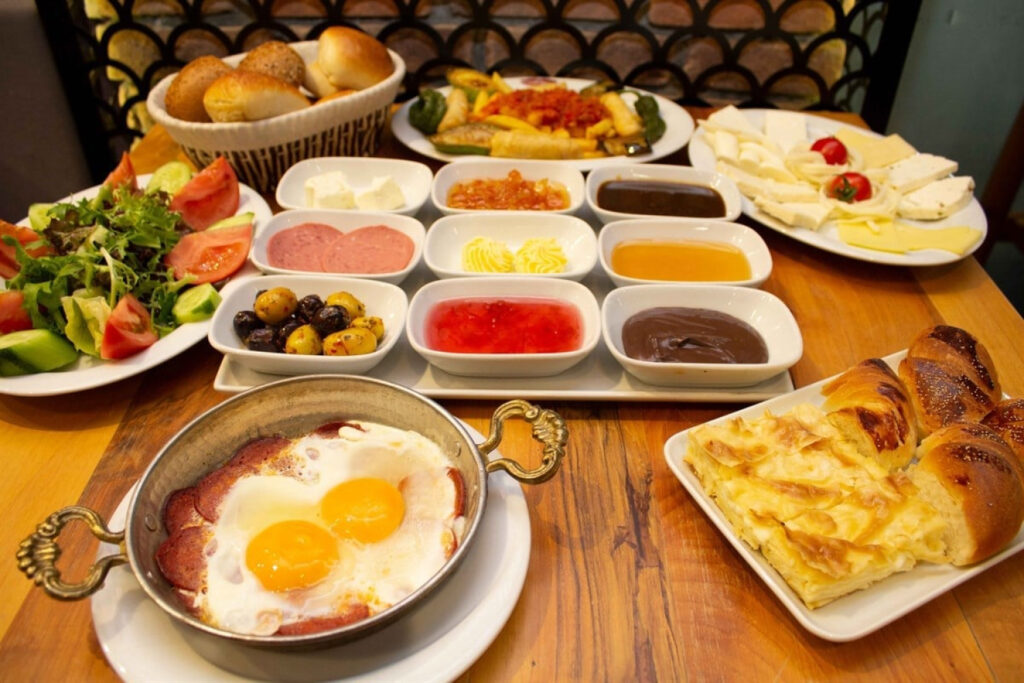
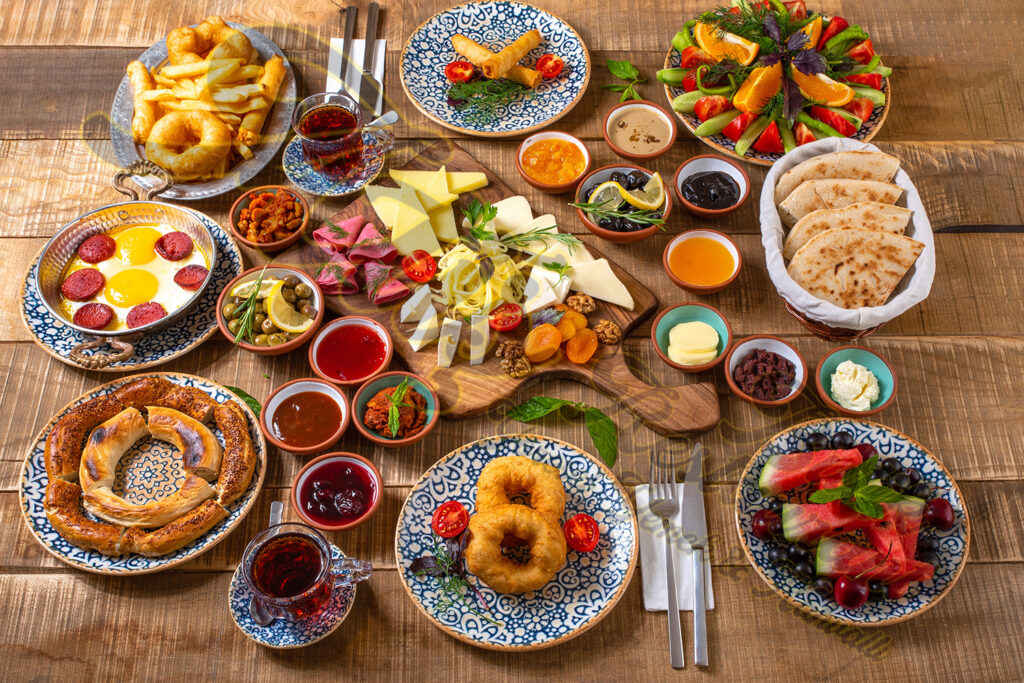
The Turkish breakfast, or “kahvaltı,” is not merely a meal but a cherished daily ritual deeply rooted in cultural diversity and culinary richness. It is a gathering around a table filled with a variety of flavors and textures, ranging from fresh vegetables, savory cheeses, salça (tomato paste with herbs) and olives to sweet jams, honey, and pastries. This project seeks to harness the essence of Turkish breakfast by developing a “breakfast storage” solution that complements this vibrant tradition. The design will prioritize preserving freshness and facilitating easy reuse of these various food items, helping users maintain the richness of the experience without waste or clutter.
Project Aim:
The primary aim is to design a storage solution that celebrates the beauty of Turkish breakfast by preserving its delicacies, extending their freshness, and enhancing the overall aesthetic and functional experience. This product will capture the joy of sharing food at a breakfast table and cater to the needs of families and individuals who value variety, freshness, and organization in their breakfast routines. Additionally, it will incorporate modern design principles with a nod to Turkish tradition, balancing functionality and cultural heritage.
Project Objectives:
Cultural Representation:
Design a storage solution that reflects the uniqueness of Turkish breakfast culture, combining modern design aesthetics with traditional elements.
Food Preservation and Organization:
The storage unit should be compartmentalized to keep various Turkish breakfast foods fresh, organized, and easily accessible, encouraging both daily use and sustainable food habits.
Reusability and Sustainability:
The product must facilitate reusability by allowing users to store leftover breakfast items, ensuring they remain fresh until the next meal. It should be made from eco-friendly, durable materials.
Aesthetic and Ergonomic Design:
Create an ergonomic, visually appealing product that complements the breakfast table and blends into modern kitchens. The design should be easy to handle, clean, and store.
Target User:
Demographics:
The design is aimed at households that enjoy leisurely breakfasts, large families who prepare a variety of dishes for breakfast, and individuals or small households that appreciate the variety and richness of a Turkish breakfast spread.
User Profile:
Ayşe (68) and Mustafa (72) – Retired Grandparents
Lifestyle: Traditional and family-oriented; cherish weekend breakfasts with family, sourcing local fresh ingredients.
Needs: Easy access to multiple items, ergonomic for Mehmet’s arthritis, keeps food fresh for longer.
Preferences: Lightweight and organized design to reduce clutter and waste.
Activities Users Like/Dislike and Why:
Liked Activities:
Variety in Breakfast: Users enjoy the variety of items served during a Turkish breakfast, from cheeses to jams, which makes the experience diverse and satisfying.
Freshness of Food: Users value the freshness of breakfast items, especially when it comes to perishable foods like cheeses and vegetables.
Convenience in Preparation: Many users enjoy being able to organize and quickly access food items for the next day’s breakfast, reducing the hassle of re-preparation.
Disliked Activities:
Food Waste: Users dislike when breakfast leftovers go bad or lose their freshness, particularly in the case of cheese or vegetables that aren’t properly stored.
Messy and Cluttered Table: Users dislike the clutter that can occur when a variety of dishes and containers are spread across the table.
Non-Sustainable Packaging: Single-use plastic or other non-reusable containers are generally disliked due to their impact on the environment and lack of aesthetic appeal.
Existing Products/Services Addressing the Problem:
There are existing products like airtight containers, modular food storage units, and refrigerator organizers that attempt to solve the problem of preserving breakfast items. However, they often fail to deliver on several fronts, such as:
Generic Design: Most food storage products are designed for general use, which makes them less suited to the variety of food items featured in a Turkish breakfast.
Lack of Modularity: While some modular storage solutions exist, they are often not customizable enough to handle the specific needs of different food types (e.g., brined olives vs. dry cheeses).
Aesthetic Appeal: Few products focus on aesthetics, failing to complement the Turkish breakfast table’s cultural and visual richness.
Material Limitations: Many existing storage solutions are made from non-sustainable materials or lack the necessary durability and ease of cleaning, which makes them less appealing for regular use.
Why They Fail:
Lack of Customization: They don’t account for the need to store multiple types of food, each requiring different preservation methods.
Inconvenient Use: Some products are difficult to clean or manage, discouraging regular use.
Insufficient Preservation: Many generic storage containers don’t offer the level of airtightness or moisture control required to keep foods like cheese, olives, or fresh vegetables in good condition.
Non-Integration into the Meal Experience: The products are typically designed for storage rather than as part of the meal presentation, making them impractical for direct use at the breakfast table.
Cost Considerations:
The pricing of the proposed solution is a crucial aspect. Based on the target audience and market competition, the product should strike a balance between affordability and high-quality design.
Maximum Retail Price Consideration:
For the Turkish market, where breakfast is a daily tradition, the product could be priced between $30 to $80 (or equivalent in local currency), depending on the material choices and modular features offered.
Design Requirements:
Compartmentalization & Diversity:
The product should be divided into multiple sections, each suited to different food types commonly found in Turkish breakfasts.
Reusability and Food Preservation:
The storage solution should emphasize maintaining the freshness of breakfast items until the next use.
Ergonomic and User-Friendly Design:
Users should be able to handle the product with ease, especially during breakfast preparation and storage. Features should include:
Stackable and modular sections that allow easy access to frequently used items.
Easy removal of compartments for direct use at the breakfast table.
A way of recognizing food contents without opening.
Easy transportation from fridge to table.
Sustainability and Material Selection:
The product must be made from environmentally friendly materials that are easy to clean and durable.
Timeline:
Research and Preliminary Work:
Duration: 1 week
Activities:
Research Turkish breakfast culture and user needs through surveys, interviews, and market analysis.
Examine food preservation technologies and materials suited to the task.
Concept Development:
Duration: 3 weeks
Activities:
Sketch and iterate potential designs.
Develop CAD models and test different configurations.
Consult with cultural experts for authenticity and aesthetics.
Prototype Production:
Duration: 3 weeks
Activities:
Create functional prototypes for testing.
Conduct user trials to evaluate ergonomics, ease of use, and effectiveness of food preservation.
Make adjustments based on feedback.
Final Presentation and Delivery:
Duration: 1 week
Activities:
Finalize the product design, including material and finish selection.
Prepare the final presentation for stakeholders, including concept boards, prototypes, and a user satisfaction report.