
GÜN GAME
Objective: Earn as many points as possible by completing cooking challenges, roles, and activities, and create a memorable event together!
Required Materials:
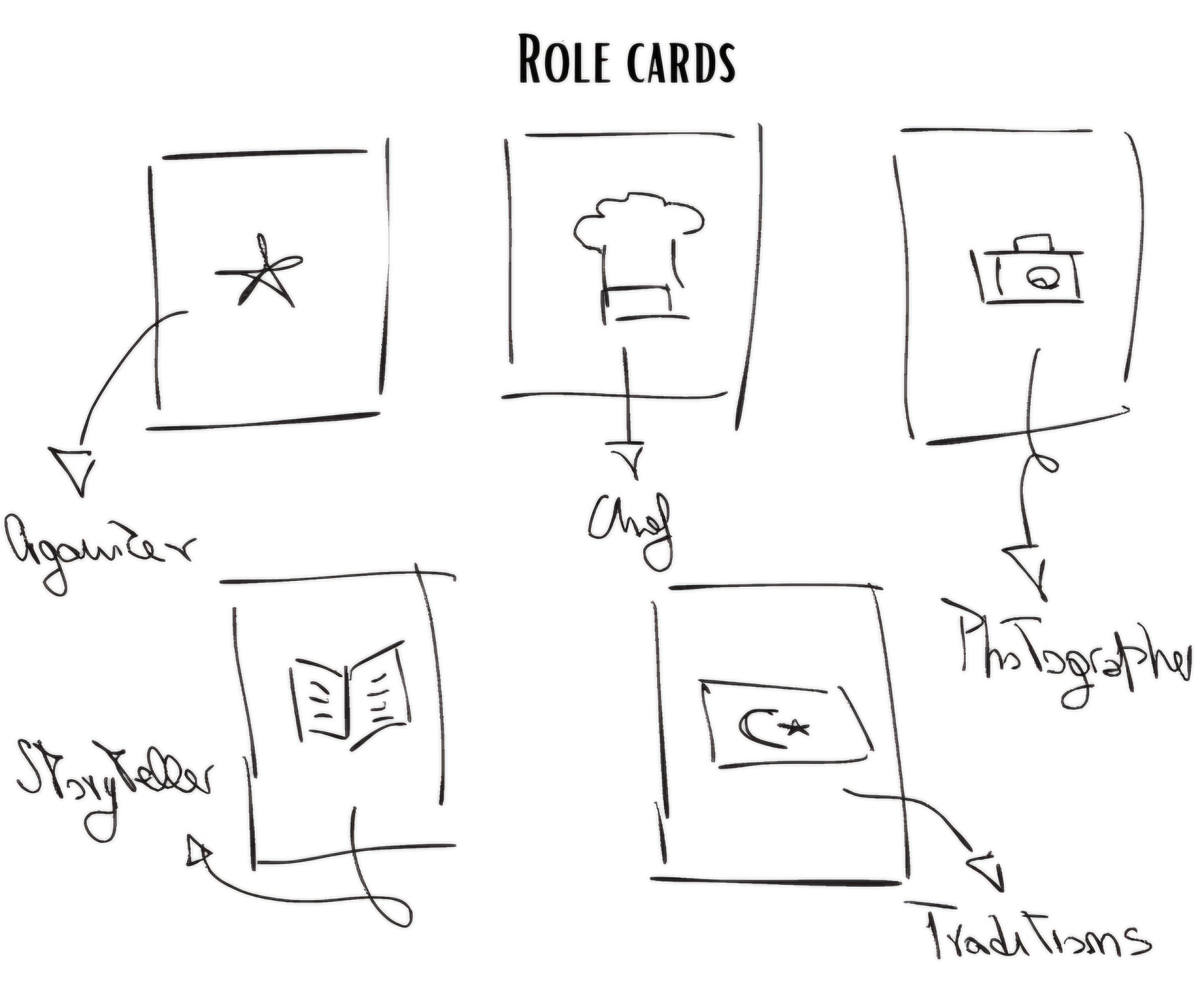
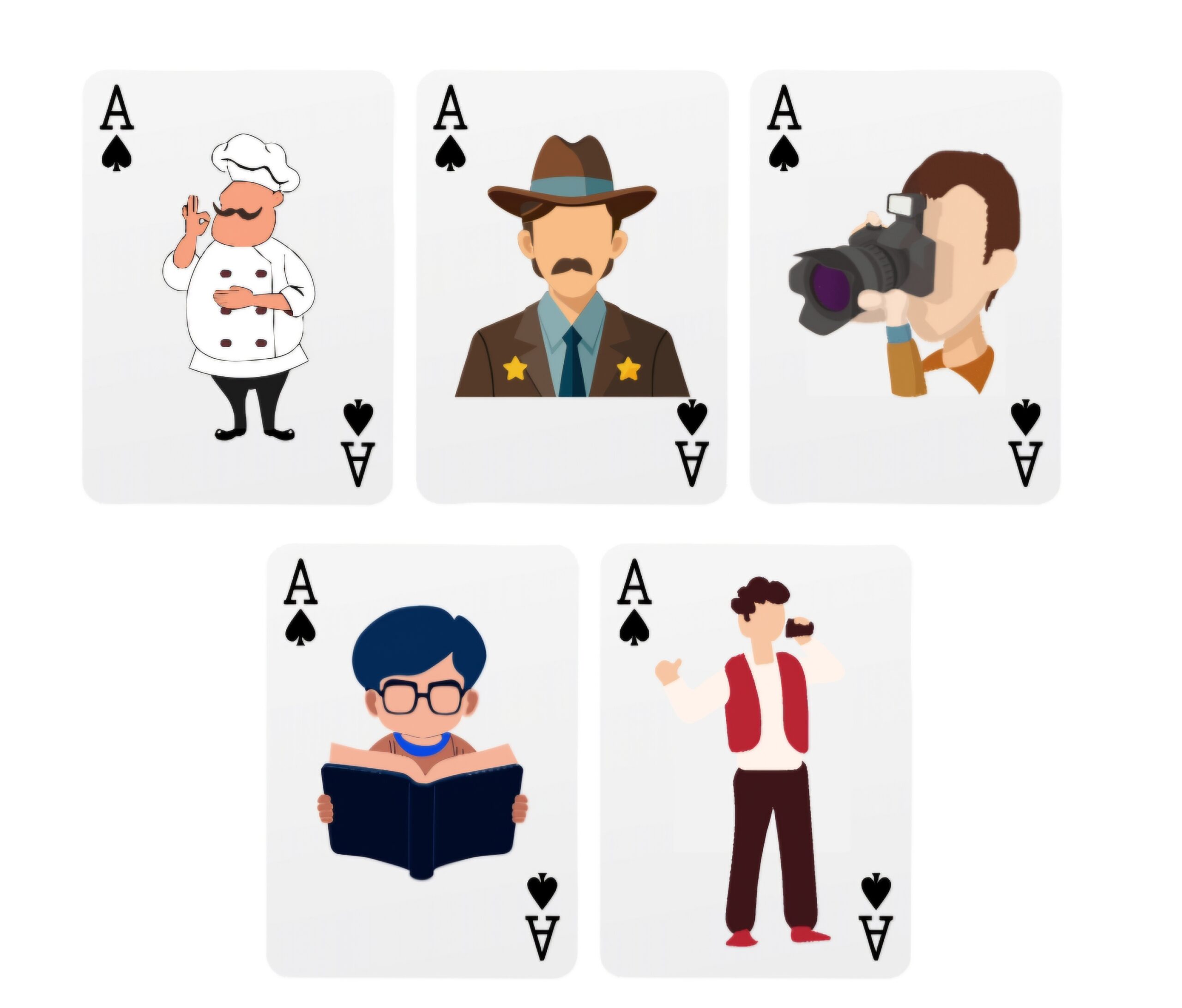
- Role Cards (one for each participant)
- Menu Cards (with Turkish dishes and culinary challenges)
- Extra Activity Cards (conversation challenges, games, and riddles)
- Points
- Final Prize: A small gift for the winner (it can be chosen by the group, such as a traditional spice or a Turkish sweet).
Game Preparation (Meeting before GÜN)
- Role Card Distribution: Each participant draws a role card and takes on that responsibility for the entire event. Some example roles are:
Organizer: Leads the event, ensures everyone performs their role, and distributes the points.
Master Chef: Prepares the main dish and presents it to the group.
Gün Photographer: Captures moments with photos or videos during the event.
Traditions Expert: Shares stories or anecdotes related to Turkish culture.
Storyteller: Introduces games and conversations, keeping the entertainment lively.
- Menu Card Distribution: Each participant draws a menu card, which indicates which Turkish dish or dessert to prepare and bring to the event. The menu cards also include extra challenges to make the game more fun, such as: “Serve your dish with a dramatic presentation.”
“Add a personal touch to the dish and explain your choice.”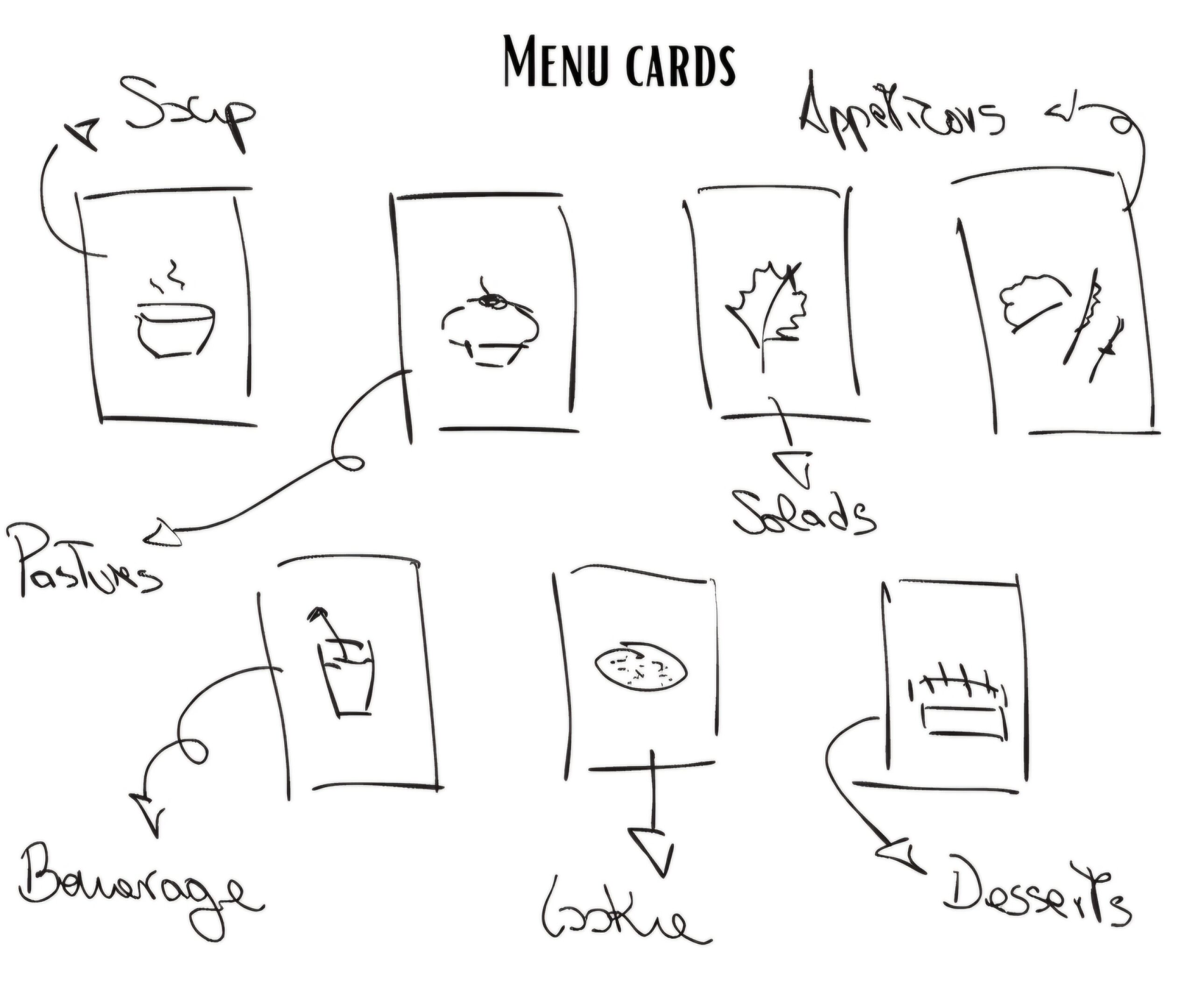
- Preparation of Extra Activity Cards: The extra activity cards are optional and are used to add games or conversations during breaks. These may include questions like ‘What is your childhood memory related to cooking?’ or ‘Describe a special ingredient you love to use.’
Start of the Game - The organizer introduces the event and explains the rules.
- The participants reveal their role and show the dish or menu card they have drawn. The master chef begins the presentation with the main dish.
Dish Presentation Turns - One by one, the participants present their dishes, explaining the preparation and completing the challenges included in the menu cards.
- After each presentation, all players vote for each participant from 1 to 5 stars: TASTE, PRESENTATION, AND CREATIVITY (the vote is anonymous).
- The organizer collects and records the points on a sheet of paper or a whiteboard.
Extra Activities and Conversation - During the event, the Traditions Expert and the Storyteller can introduce stories or challenges from the extra activity cards, such as ingredient riddles, cultural questions, or mini-games.
- These games are worth 2 extra stars for the winner of the challenge.
End of the Game and Award Ceremony - At the end of the game, the organizer calculates the stars collected by each participant.
- The player with the most stars is declared the Winner of the Gün and receives a small prize, chosen by the group.
GÜN PLANNER

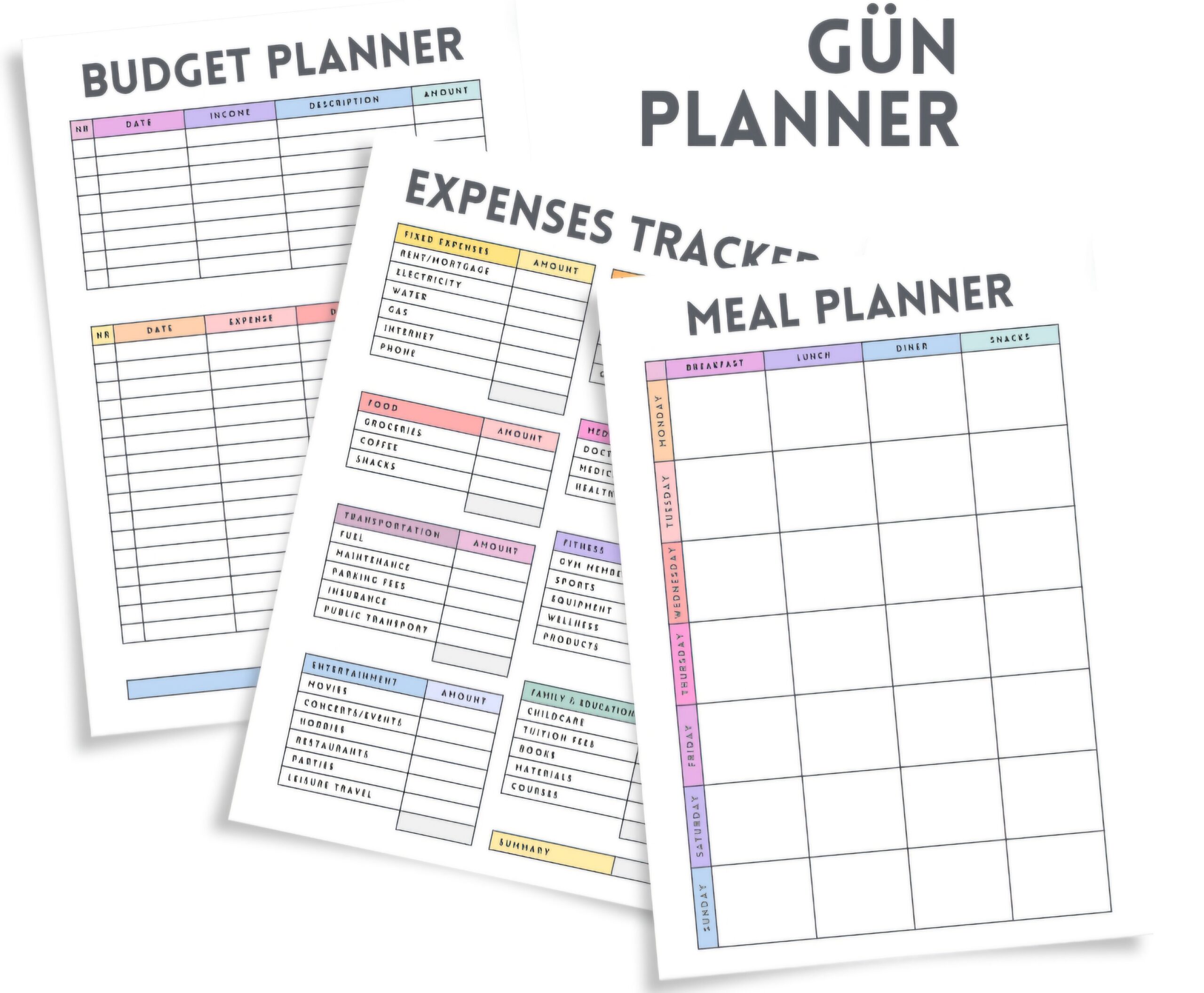
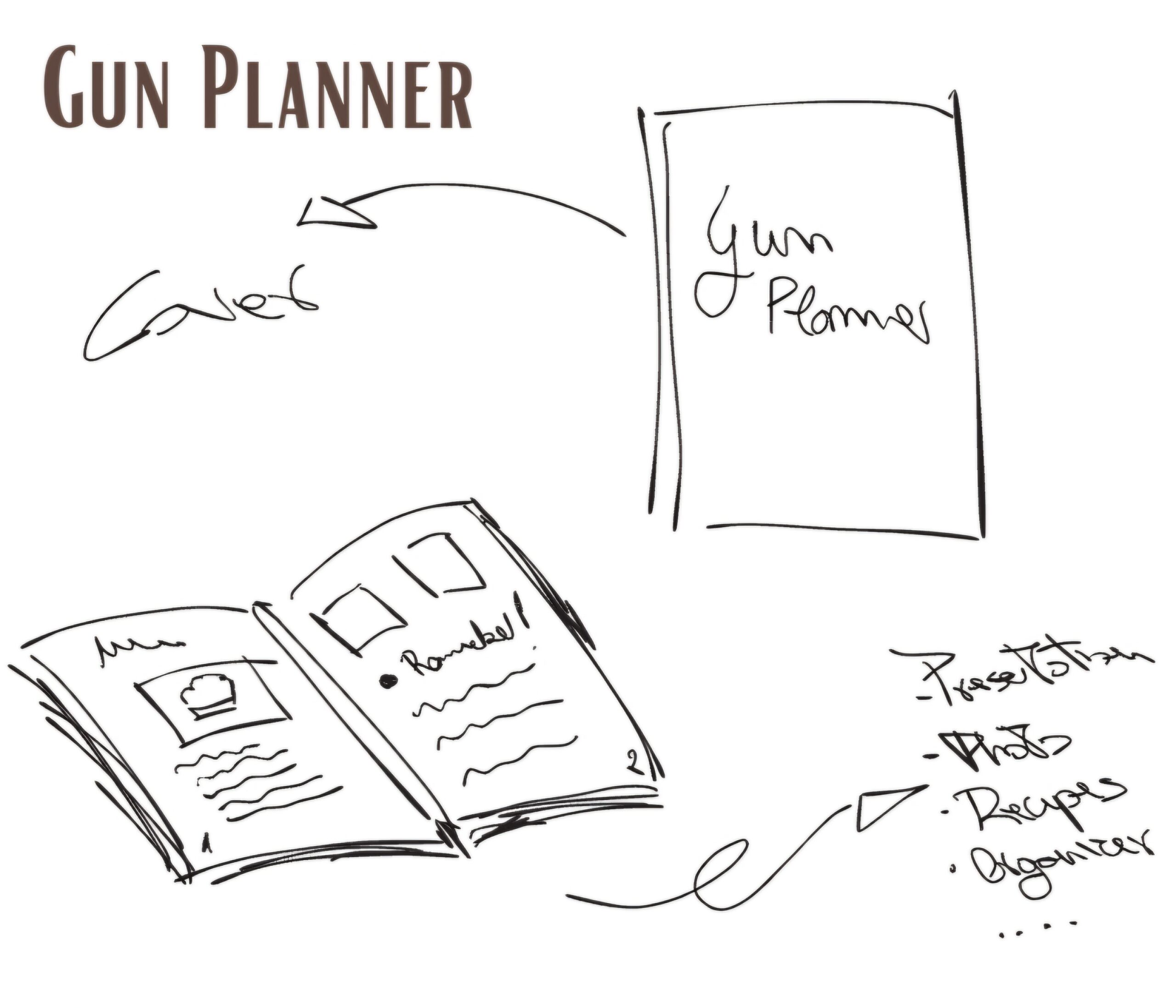 The Book of the Gün is the ultimate tool for organizing every aspect of the GÜN. This calendar-book contains all the essential information to prepare for the GÜN day in a simple, fun, and well-structured way, designed to help the participants. With this book, participants will not only have essential information such as the dishes, times, and location at their fingertips, but they will also find a section dedicated to the actual organization. It will be the individual participant who writes and modifies their own book, adapting it to their needs and preferences. Every detail, from planning the roles to managing resources, will be under their control, allowing them to personalize every aspect of the Gün in a unique and dynamic way. The book thus becomes a tool that evolves and adapts according to the needs of its user, transforming the organization of the Gün into a completely tailor-made experience.
What is the purpose of the Book of the Gün?
- Organization of Roles and Activities: from the Head Chef to the Waiter, to the Supplier and the Guest, the book assigns roles to the participants and describes their specific tasks, ensuring that everyone knows how to contribute to the celebration.
- Timings and Scheduling: With a section dedicated to planning the schedule, the book ensures that all phases of the Gün, from preparation to tasting, are coordinated to ensure smooth and enjoyable fun.
- Seating Arrangement: To enhance the convivial atmosphere, the book includes a seating map, where each participant will find their designated spot, facilitating interaction and creating a more harmonious flow for the celebration.
- Managing the Finances: Keeping track of expenses and contributions becomes simple and transparent. The book provides dedicated pages for accounting, where the contributions of each participant and the expenses incurred for the Gün can be recorded.
- Gün’s Recipe Book: with a section to note the dishes prepared, each event is documented like a true daily menu. Recipes, ideas, and variations of the menu can be added, creating a culinary memory to share and enrich.
Why is the Book of the Gün essential?
- Shared memory: each edition of the Gün becomes a written memory that each participant can keep, with details about the dishes, the best moments, and the stories shared.
- Creativity and Tradition: The book adds a creative touch to the tradition of the Gün, with spaces for notes, drawings, ideas, and improvements for future events.
- Perfect Organization: All the necessary information, from roles and timings to accounting, is gathered in a single book that becomes the essential guide for each participant.
BOX: “Bring the GÜN to your home”


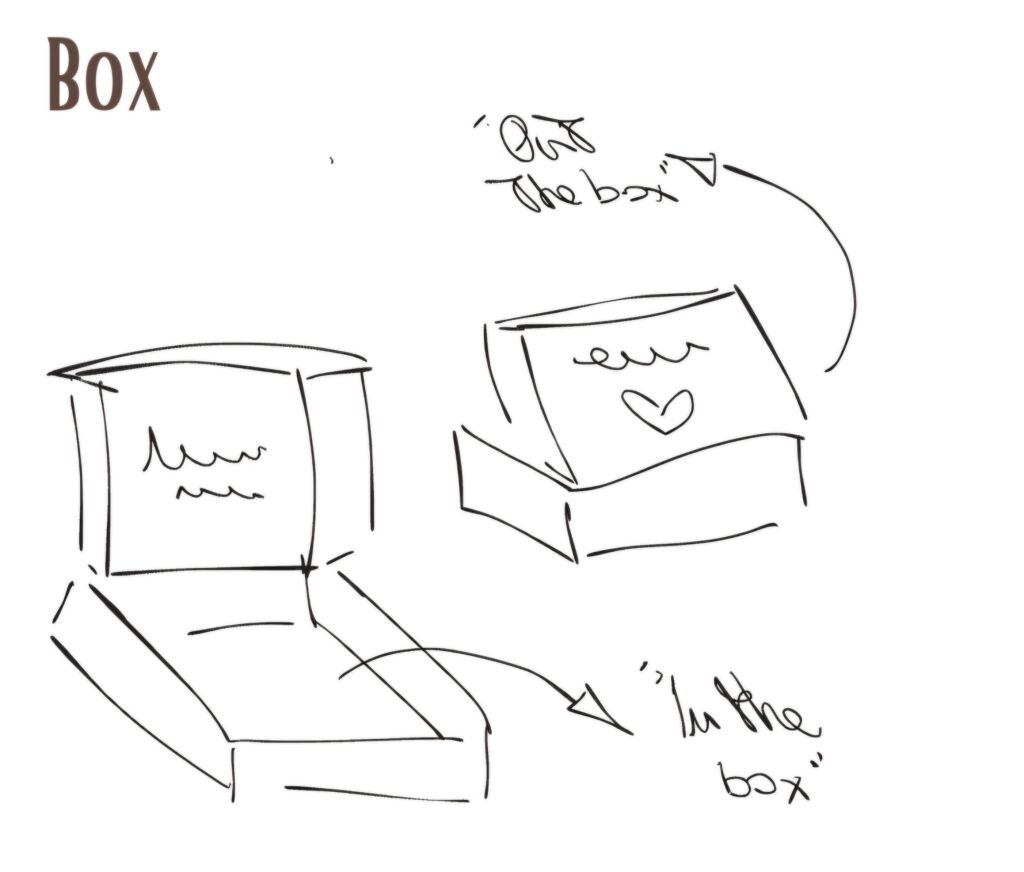
At the end of each Gün, it is common to have more food than we can consume. To avoid waste and give a second life to the leftover delicacies, we have created the Gün Box.
What is it for?
- Reduces food waste: By saving the leftover food, we collectively contribute to an ecological and sustainable choice.
- Preserves the flavors: The special dishes of the Gün can be enjoyed the next day, making the celebration experience even more lasting.
- A souvenir to take home: The Gün Box is a small keepsake from the day, a way to extend the enjoyment of good food and togetherness.

