
The problem of poor eyesight among the elderly in Russia goes beyond a simple inconvenience; it is a serious threat to both their safety and quality of life. This is an issue that requires our attention and active action.
The statistics are relentless:
- According to the World Health Organization (WHO), 80% of older people in Russia face age-related vision changes. This is a figure that highlights the scale of the problem.
- The risk of falls in elderly people with poor eyesight increases 2-3 times compared to people with normal eyesight. This is a serious threat, as falls can lead to serious injuries.
- The consequences of falls can be very serious, including the need for hospitalization, and in some cases can even lead to death.
- The loss of independence and independence is a huge stress for the elderly, which negatively affects both their psychological and physical condition.

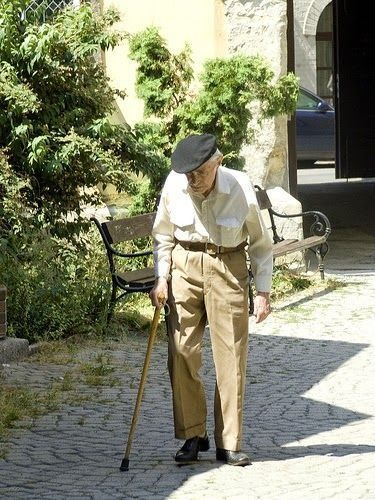
Why did we choose this particular problem?
- Relevance: The aging process of the population in Russia is inevitable, and the problem of poor eyesight in older people is becoming more urgent every year, affecting an increasing number of people.
- Humanity: We strive to improve the quality of life of older people, striving to make their lives more comfortable and safe.
- Social significance: The development of a functional and comfortable walking stick that can help elderly people with poor eyesight is of great social importance, as it promotes their integration into public life.
Target audience
- Grandparents:
- We focus on people aged 65 and older who suffer from visual impairment.
- These people value traditional values, comfort and self-care, but at the same time strive to remain independent and active participants in life.
Grandparents with poor eyesight face a number of difficulties in daily life that can significantly affect their quality of life. Here are some of them:
- Navigation and movement: Poor eyesight makes it difficult to move around familiar and unfamiliar places. This can lead to frequent falls and injuries, as well as a fear of going outside.
- Reading and perceiving information: Difficulties reading newspapers, books, prescriptions or medical appointments can cause problems obtaining the necessary information. It can also lead to dependence on other people.
- Using household appliances: Using televisions, phones, computers and other appliances can be difficult. Small buttons and screens can be difficult to read.
- Cooking: Poor eyesight can make the cooking process difficult, including slicing food, controlling cooking time and determining the condition of dishes.
- Self-care: Difficulties with personal hygiene and self-care, such as dressing, applying makeup or cutting nails.
- Social interactions: Limited ability to see faces and expressions of emotions can make it difficult to communicate with friends and family, which can lead to feelings of loneliness and isolation.
- Participation in public life: Participation in activities such as going to theaters, concerts, or even walking in the park may be limited for fear of getting lost or not seeing the details.
- Safety concerns: Difficulties in recognizing potential hazards such as stairs, uneven surfaces, or transportation can increase the risk of accidents.
- Dependence on others: The need for help from relatives or social workers can cause feelings of helplessness and loss of independence.
- Emotional Difficulties: Encountering impaired vision can cause stress, anxiety and depression, which exacerbates general health problems.
Support from family, friends, and society in general can significantly improve the quality of life of older people with poor eyesight.
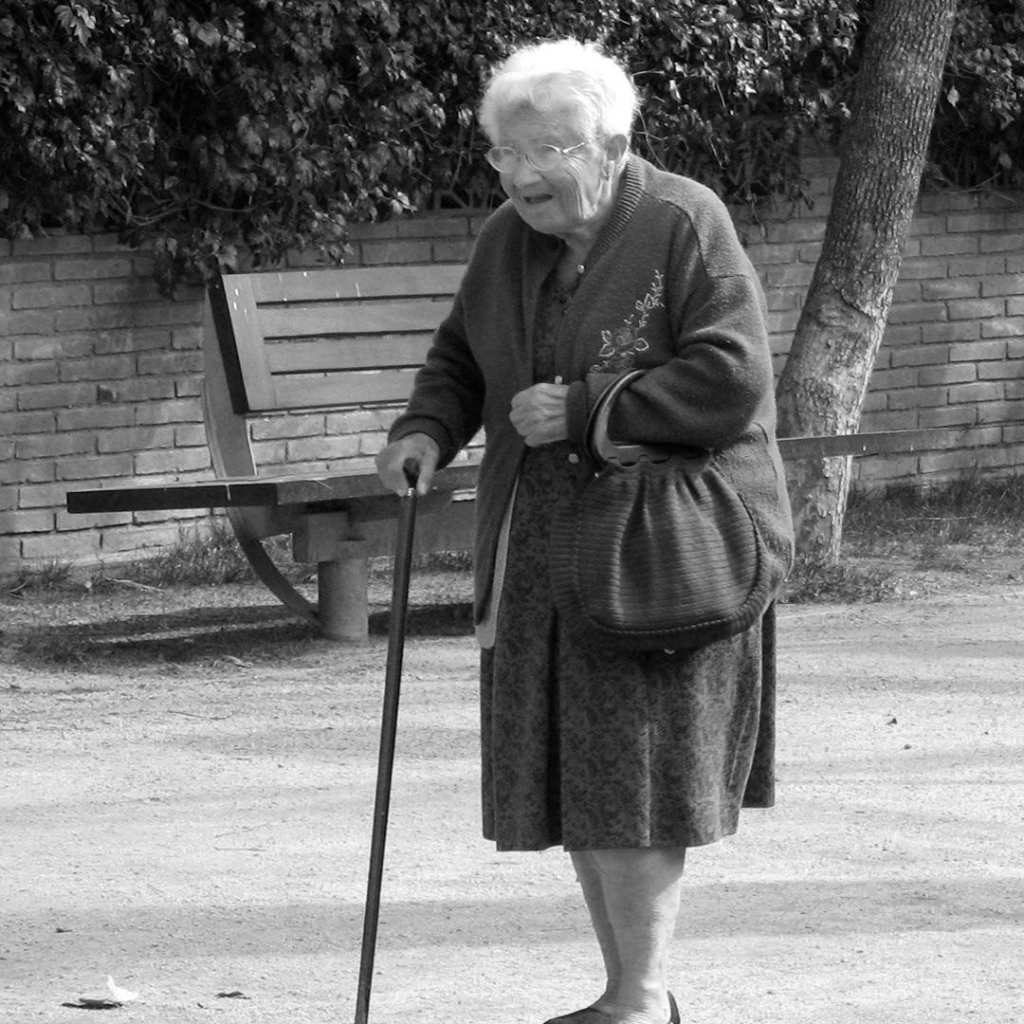
The need to improve the cane:
- The vast majority of respondents (85%) confirmed that traditional canes do not always meet their needs and believe that the cane can be more functional and comfortable.
- Vision problems as the main factor: The majority of survey participants (70%) noted that poor eyesight is the main problem they face in everyday life.
- Expectations from the cane: Improved visibility: Older people want a walking stick to help them navigate better, especially in poorly lit areas.
- Increased safety: They expect the cane to signal the approach of obstacles and help them avoid falls.
- Functionality: They want the cane to be not just a support, but a tool that makes their lives easier.
Attitude towards new technologies: The majority of respondents (65%) have a positive attitude towards the use of new technologies in walking sticks, if these technologies are easy to use and really make life easier.
- Design: Older people appreciate not only the functionality, but also the appearance of the cane. It is important for them that the cane does not look “old-fashioned”, but is modern and attractive.
The history of the cane
The cane is not just a tool; it is a symbol with deep historical roots.
- In the ancient world, canes were used not only as supports for movement, but also as weapons and a symbol of power.
- In the Middle Ages, the cane became one of the important attributes of the nobility, emphasizing the status of its owner.
- In the 19th century, the cane gained wide popularity among the elderly and people with disabilities, becoming an integral part of their daily lives.
A modern cane
Modern canes have become more functional and comfortable, but they often do not meet the needs of modern elderly people.
- Traditional canes are not always able to solve the problem of poor eyesight, leaving users in a vulnerable position.
- The lack of additional functions limits the use of the cane as a tool to ensure safety and comfort.
- The design and aesthetics of the cane are also often not taken into account, which can scare off older users.
- A new generation cane: We strive to create a cane that will become not just a support, but a comprehensive solution that helps elderly people with poor eyesight to remain active and independent.
A challenge for designers
- It is necessary to create a prototype of a cane that will meet all the specified requirements of the project.
- An important part of the task is to develop a design that will be attractive to older people and emphasize both modernity and functionality of the cane.
Hi, Team 16!)
First you have to post your brief to your designated designers blog, so they can see it and work with it.
Does your grandparents struggle from visual impairment? Can you tell your designers what challenges they meet in their environment and everyday lives due to their visual impairment. Can you tell us more about actual users and their daily routine. Can you please share some fotos of walking sticks used by your grandparents. How would you address the cultural identity in your brief? Can you show pictures of the examples mentioned by you in the historical part of your brief? Can you share some inspirational suggestions/mood board with your design team.
P.s. it’s Clients(your) task to make a prototype, designers generate ideas for your project and create drawings and visualization for it.
Thank you for your thoughtful questions and guidance as we move forward with the design of the walking stick for elderly individuals. Below, I have addressed each of your inquiries to provide you with a clearer understanding of our project goals and the challenges faced by our target users.
1. Visual Impairment Challenges:
Many elderly individuals in Russia experience visual impairments that significantly affect their mobility and independence. Common challenges include difficulty in judging distances, recognizing obstacles, and navigating unfamiliar environments. This often leads to a lack of confidence while walking, increased risk of falls, and social isolation.
2. Actual Users and Daily Routine:
Our target users are typically aged 65 and older. Their daily routines may include going for walks, visiting local markets, attending social gatherings, or simply moving around their homes. Many rely on public transportation, which can be challenging without proper support. Understanding their routines will help us design a walking stick that enhances their mobility and safety.
3. These often include traditional wooden sticks, collapsible models for ease of storage, and those with ergonomic grips. We will gather images and share them with you shortly.
4. Cultural Identity:
Addressing cultural identity is crucial in our design process. We aim to incorporate elements that resonate with Russian traditions and aesthetics. This may include color schemes, materials, and design motifs that reflect local culture. For instance, using durable yet visually appealing materials can enhance both functionality and cultural relevance.
Thank you once again for your support and guidance❤️
Thank you Polina for coping your Client Project Brief onto your designers blog https://theglobalstudio.eu/2024-30/
Have you been able to read Tatiana’s comments?
Erik
Thank you very much for your comment, we tried to answer all the questions ☺️
Hello! I’m Mertcan Aydoğmuş from Team 12. I wanted to share my thoughts after reading your brief, as it tackles a very meaningful issue.
The way you’ve addressed the challenges faced by elderly individuals with poor eyesight is incredibly thoughtful, and I appreciate the emphasis on both functionality and aesthetics for the cane. It’s clear that you’ve considered the physical, social, and emotional struggles these individuals experience daily. The inclusion of historical context around canes is a unique touch, adding depth and understanding to the project.
I think you might benefit from expanding on the specific features of the cane and how these would work to improve the users’ quality of life. For instance, details on how the cane could assist with low-light visibility or prevent falls could make the concept even stronger. Here’s a quick tip that might be useful for your project as well!
Adding vibration feedback to a cane can help alert users to obstacles. If the cane senses an object or uneven surface, a gentle vibration can signal this to the user. This feature could add an extra layer of safety for elderly people with limited vision.
I’m very excited to see how your prototype evolves—good luck, and I look forward to seeing the final design!
Thank you so much for your feedback! We will take your considerations into account
Hi, I’m Gaia from Team 23. I’ve read your brief, and I think it thoughtfully addresses the challenges faced by elderly people with limited vision, balancing both functionality and aesthetics in the cane design. I also appreciate the inclusion of historical context. One suggestion: you could further explore the cane’s features, such as improving visibility in low-light environments or preventing falls. To make the concept even more complete, you could also include some photos of canes. I look forward to seeing the final prototype!
Thanks for the comment!
Hi, I’m Defne from Team 12. I think your project on creating a cane to improve safety and mobility for elderly people with poor eyesight is a fantastic idea. It’s great that you’re focusing on both functionality and design, as many traditional canes lack the features that could really make a difference in people’s daily lives. I especially like how you’re considering technology integration to improve navigation and safety. I’m excited to see where project goes, and I wish you the best of luck in bringing this useful solution to life for the designer team!