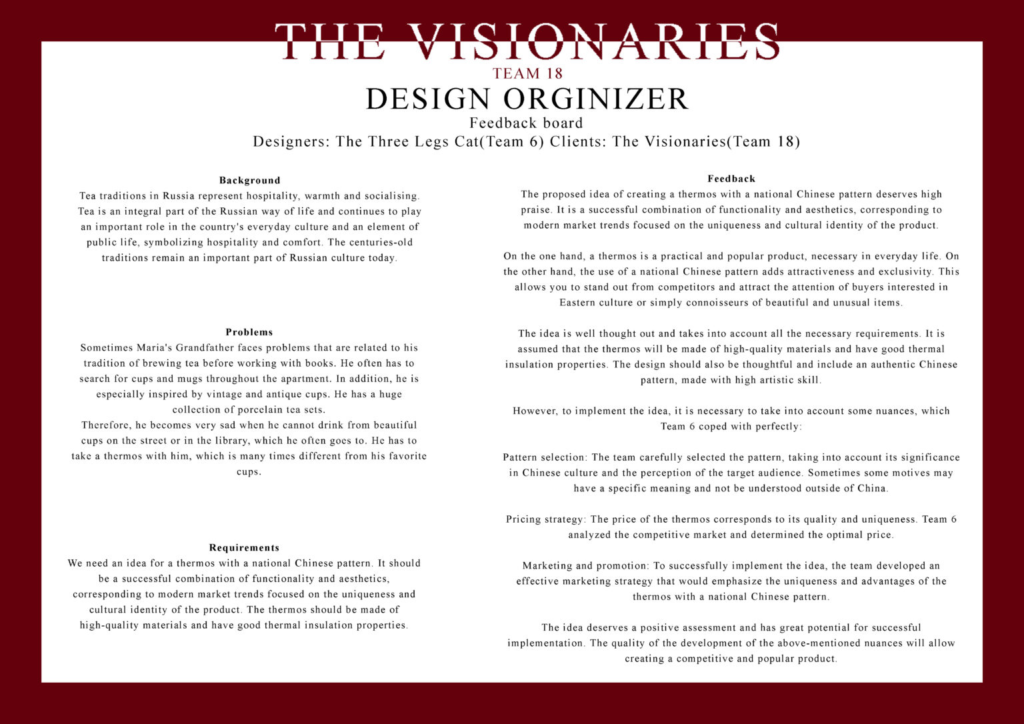


The proposed idea of creating a thermos with a national Chinese pattern deserves high praise. It is a successful combination of functionality and aesthetics, corresponding to modern market trends focused on the uniqueness and cultural identity of the product.
On the one hand, a thermos is a practical and popular product, necessary in everyday life. On the other hand, the use of a national Chinese pattern adds attractiveness and exclusivity. This allows you to stand out from competitors and attract the attention of buyers interested in Eastern culture or simply connoisseurs of beautiful and unusual items.
The idea is well thought out and takes into account all the necessary requirements. It is assumed that the thermos will be made of high-quality materials and have good thermal insulation properties. The design should also be thoughtful and include an authentic Chinese pattern, made with high artistic skill.
However, to implement the idea, it is necessary to take into account some nuances, which Team 6 coped with perfectly:
The idea deserves a positive assessment and has great potential for successful implementation. The quality of the development of the above-mentioned nuances will allow creating a competitive and popular product.
About Marias’s grandfather

We would like to tell you about Maria’s grandfather. Her grandfather, like her, was born in Donetsk. Today, Maria has only one grandfather left alive, on her father’s side. Her grandfather is now 73 years old, he is a pensioner. After graduating from the institute, he worked in the regulatory authorities of the Donetsk region his entire working life. During his work as an auditor, he checked and inspected not only the region, but also some Union Republics of the former Soviet Union.
Grandfather was born in the city of Snezhnoye, Donetsk region, in the family of a disabled miner, a sailor of the Black Sea Fleet, a participant in the Great Patriotic War. After graduating from high school, he began his career as a car mechanic, then as a miner in a mine. He served in the Soviet Army. In the Army, he was also actively involved in sports. At the USSR Missile Forces Boxing Championship, he fulfilled the standard of a candidate for Master of Sports of the USSR.
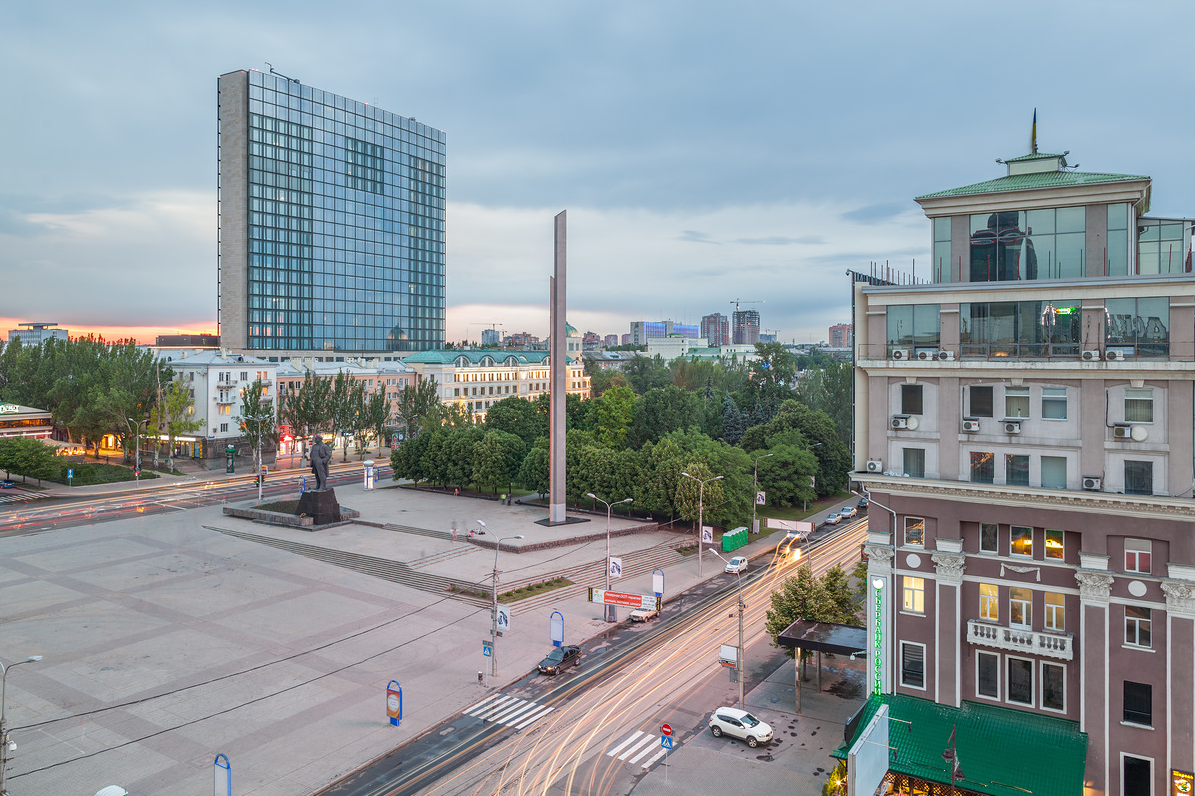
But the most important thing is that Masha’s grandfather is a creative person, he is a poet and a writer. He has written and published more than 10 collections of poems, stories and fairy tales in various publishing houses in Donbass. He dedicated many of them to his wife and granddaughter.

This is how unusual Maria’s grandfather is in terms of creativity. But otherwise, he is an ordinary person, just like us:
Grandfather visits the club of creative intelligentsia of the city of Donetsk, which is located in the Central Library. He reads new poems written by him there. He willingly attends art exhibitions, concerts and performances of poets – bards. He tries to live a full creative and ordinary life.

Recently, in 2022 and 2023, grandfather wrote and published three collections of poems under the same title “Drobyshevo”: about the surrounding nature, beautiful winters; hard rural labor, a terrible war, about love for a woman.
Grandfather spent two years in the village of ‘Drobyshevo’ working on a large rural plot of land, tending the garden and growing vegetables: tomatoes, cucumbers, eggplants, onions, carrots, cabbage, garlic and herbs. And in the garden: apples, pears, plums, cherries, grapes; melons: magnificent watermelons and melons.
Of course, it is not easy for Masha’s grandfather, he is sick. He complains to doctors about headaches, joint pain, blood pressure. Quite recently, he began to include Chinese healing methods of Shiatsu, acupressure, tapping with a wooden stick on the body in his exercise cycle, but there is no Chinese literature that could be used to fully study. He asks Maria to look for this literature in Moscow. I think she will find it soon. Grandfather dreams of visiting China, getting to know the sights of the country, visiting the famous Great Wall of China.
Now it is worth telling about the peculiarity of Masha’s grandfather. Every time he works on a new work, he likes to brew himself tea. For him, this is a special ritual that gives him inspiration. But he drinks tea not only while writing, he also loves to have tea with the whole family. Especially when Maria comes to him on vacation. But the traditions of Russian tea drinking differ in many ways from the traditions of other countries.
Tea traditions in Russia – where they came from and how they developed.
In Russia, tea drinking has a long and rich history, playing an important role in culture and social life. In brief, the traditions look like this:
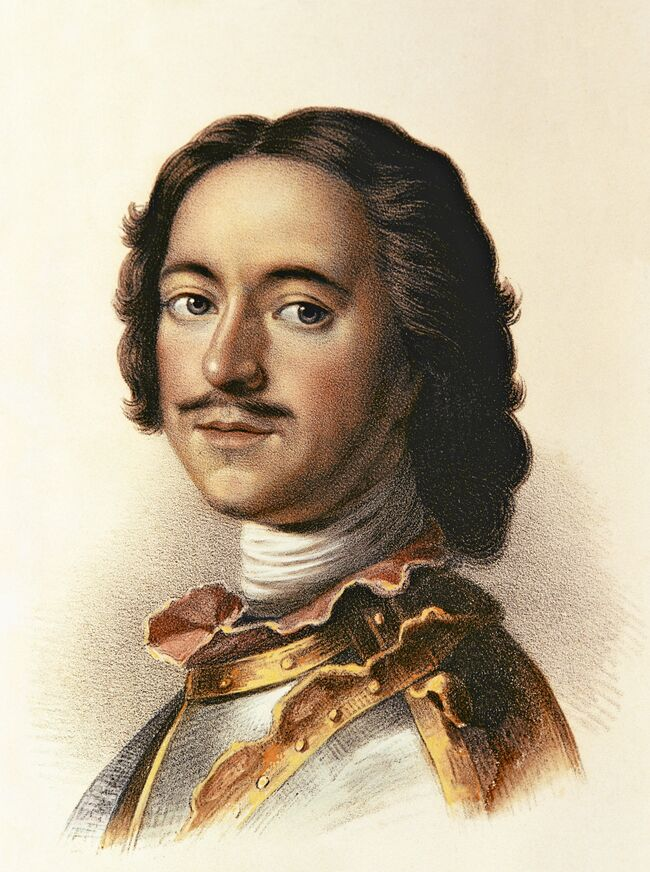
– History of its appearance in Russia. Tea appeared in Russia at the end of the 17th century, when the first tea parties were held by Tsar Peter I. Soon tea became a popular drink in Russian society.
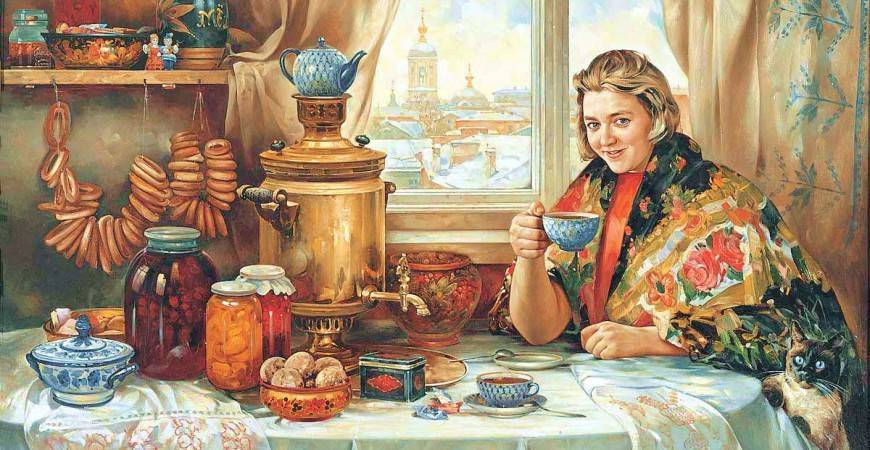
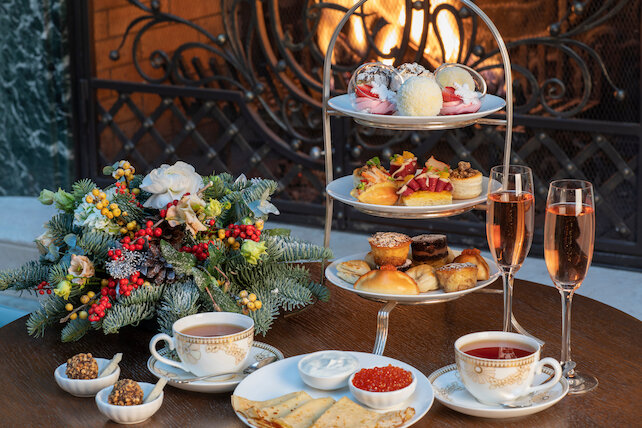
– Russian sweet table. The tradition is often associated with the concept of a “tea table”. This is a dinner event during which a wide range of snacks and sweet dishes are served, accompanied, of course, by tea. Various types can be presented here – from black to green.

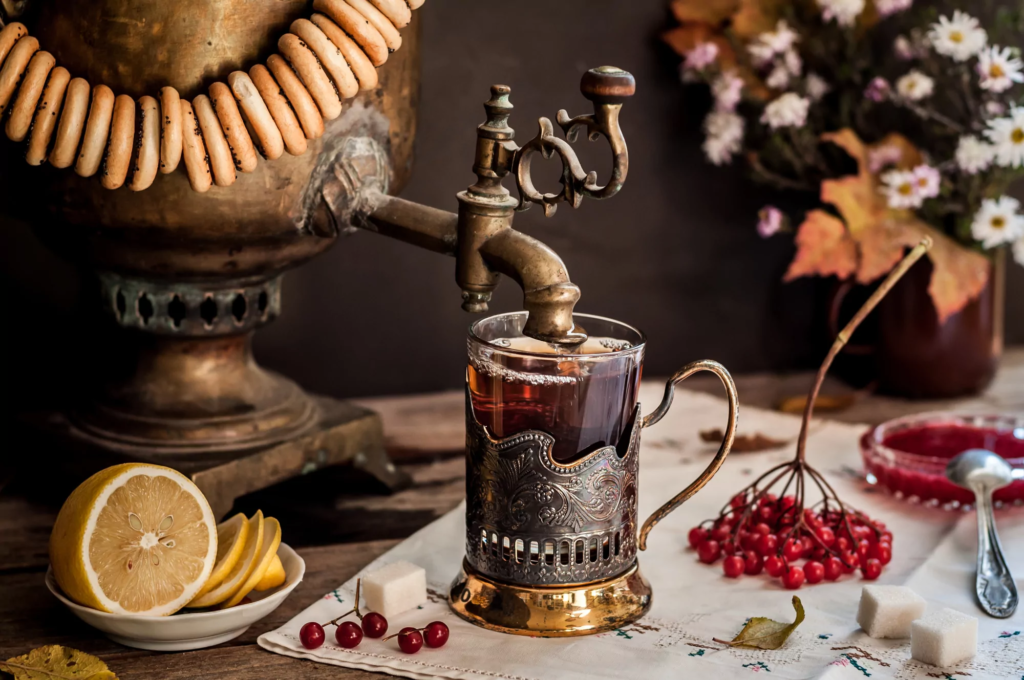
– Samovar. Traditional Russian utensils for boiling water, play a key role in Russian tea parties. It is often decorated with patterns and serves as a central element when serving.

– Brewing. It is done with a teapot or samovar. To maintain the optimal temperature of the brew, the teapot is covered with a handmade “babka”(teapot cover).

– Tea in Russian literature and art. It played a significant role in Russian literature and art. Many works, such as “The Master and Margarita” by M.A. Bulgakov, describe tea ceremonies as part of everyday life.
– Tea houses and establishments. In modern Russia, there are many themed houses and cafes where people can enjoy a variety of teas, snacks and desserts. Such places usually create a cozy atmosphere, and the choice can vary from traditional varieties to exotic mixes.

– Russian black tea. Can be served with honey, lemon or jam. Often chosen for its strong flavour, which pairs well with traditional Russian appetizers.
– Tea parties with family and friends. Often associated with socialising. Families and friends gather together in the evening or on weekends to share experiences, discuss news and enjoy a cup of hot drink.

– Christmas and holiday traditions. During festive periods such as Christmas, tea drinking becomes especially festive. Families gather over a cup of tea, exchange gifts and give each other warmth and attention.
– Tea in Russian folk medicine. Russian culture traditionally believes in the healing properties of tea. Different types are considered beneficial to health, and in some cases tea is used as a remedy for colds and other ailments.

Overall, tea traditions in Russia represent hospitality, warmth and socialising. Tea is an integral part of the Russian way of life and continues to play an important role in the country’s everyday culture and an element of public life, symbolizing hospitality and comfort. The centuries-old traditions remain an important part of Russian culture today.
Problem
Sometimes Maria’s Grandfather faces problems that are related to his tradition of brewing tea before working with books. He often has to search for cups and mugs throughout the apartment. In addition, he is especially inspired by vintage and antique cups. He has a huge collection of porcelain tea sets.
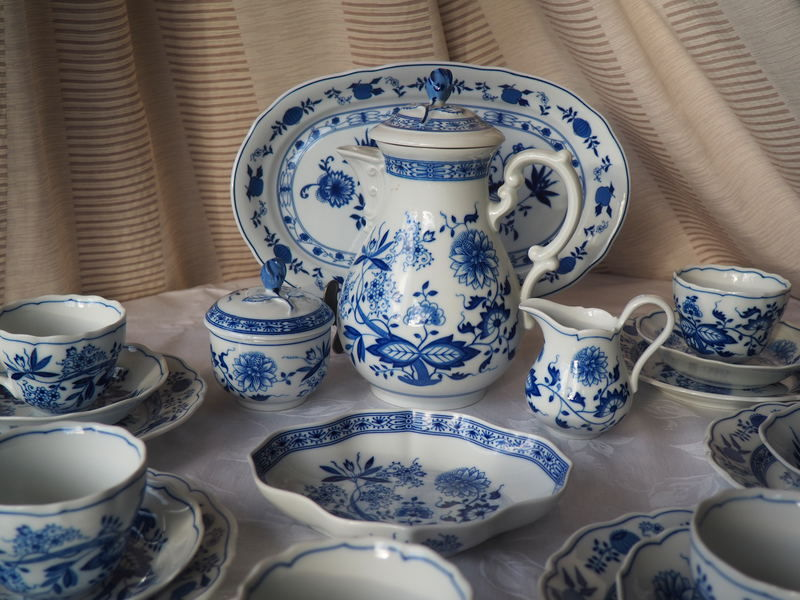
Therefore, he becomes very sad when he cannot drink from beautiful cups on the street or in the library, which he often goes to. He has to take a thermos with him, which is many times different from his favorite cups.
