Summary
briefing - mosaico
Project Briefing – Coletivo Mosaico
Project Overview
This year’s Global Studio concept is “Celebrating Daily Little Joys of Life”, focusing on those that came before us: the eldest in our families and communities. With that in mind, we, Mosaico, searched for something elderly people enjoyed but still struggled with. While asking our grandparents about these types of things, we found three stories with one common element: the love for music and the struggle to experience it in a modern, touch-screen driven world.
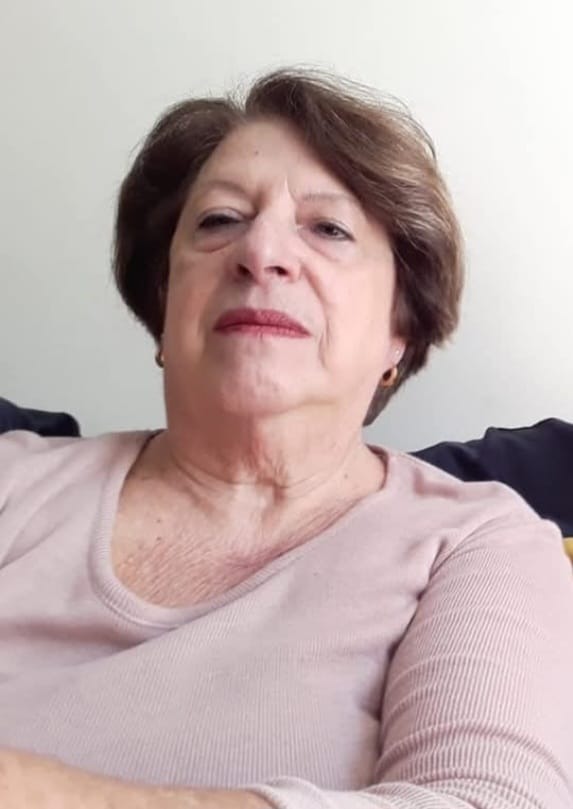
Maria Renita’s Story
Maria Renita (81), Melissa’s grandmother, is a dedicated and caring woman, extremely attached to tradition and her origins. She grew up in a small German-speaking colony in the interior of Rio Grande do Sul, and although Renita lives in Brazil, she only learned Portuguese at the age of 14. Throughout her life, Renita has always been extremely involved with the local community, enjoying everything her culture has to offer, especially the traditional choirs and bands.
This close relationship with music continued when she moved to Bento Gonçalves, a city in the Italian part of the Serra Gaúcha region, but the constant changes in technology prevented her from continuing to enjoy it. Having difficulty navigating the internet to find new songs to listen to, Maria became restricted to those available on her CD player, and when that stopped working, she found herself in a tough spot.
Now, dependent on outside help to be able to listen to her music, Maria misses that bond she had with her own culture.
Maria Antônia’s Story
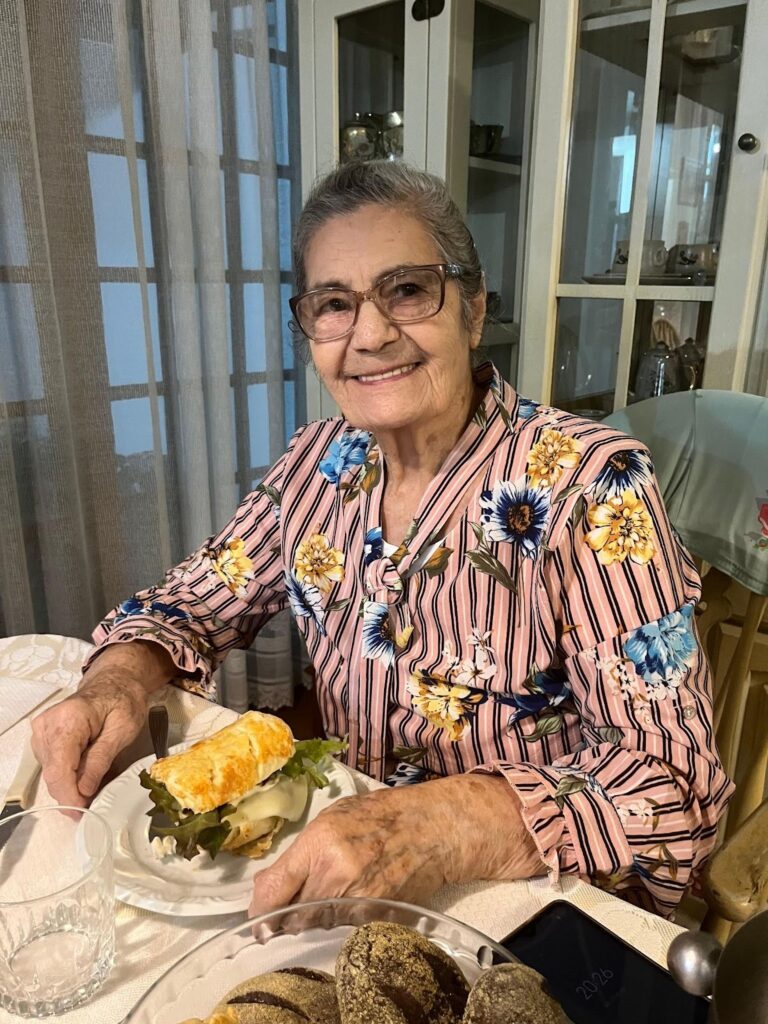
Maria Antônia, Isabela’s grandmother, is a kind and curious woman who has always been fascinated by new things. One day, while visiting a neighbor, she discovered Amazon’s Alexa. She was immediately amazed by how the device could understand voices, play music, and make daily life easier. From that moment, she dreamed of having one of her own, it became an object of great desire and admiration.
When she finally bought her Alexa, she was filled with excitement and curiosity. However, her first experiences were not as simple as she imagined. Setting up the device turned out to be confusing, and she had to rely on her children’s help to make it work. Even after receiving guidance, she still struggles to use it alone.
Despite these challenges, Maria Antônia still wishes she could just ask Alexa to play her favorite songs and enjoy music around the house, something that brings her joy and comfort. Yet, the complex interface and lack of accessibility make her feel frustrated and incapable, as if technology were not made for her.
Maria Luiza’s Story
Maria Luiza is Raquel’s Grandmother and she has been in love with music since she can remember. When younger, she used to play the accordion at her local church and family events. As she got older and weaker, her doctor recommended that she stop playing, but she couldn’t even if she tried. Maria learned how to play the keyboard at 75 years old and hasn’t stopped for more than ten years.
Even with her love and drive for playing and listening to music, Maria struggles to find her favorite songs on her smartphone. Youtube and other streaming services are confusing to her and she ends up only listening to videos sent to her by WhatsApp several times over and over.
With all that knowledge, we tried to understand a bit more on the importance of music on someone’s day to day.
Music is one of the most important cultural manifestations of Brazil. It reflects the diversity present throughout the country’s history and is essential in the national identity. There is a rich musical diversity, with many different genres and, within the genres, each region has its own specific rhythms and sounds.
Some good examples of how music can become a national symbol are Samba and Bossa Nova. The songs of all genres showcase the daily life of the people, helping with the feeling of representation in all walks of life.
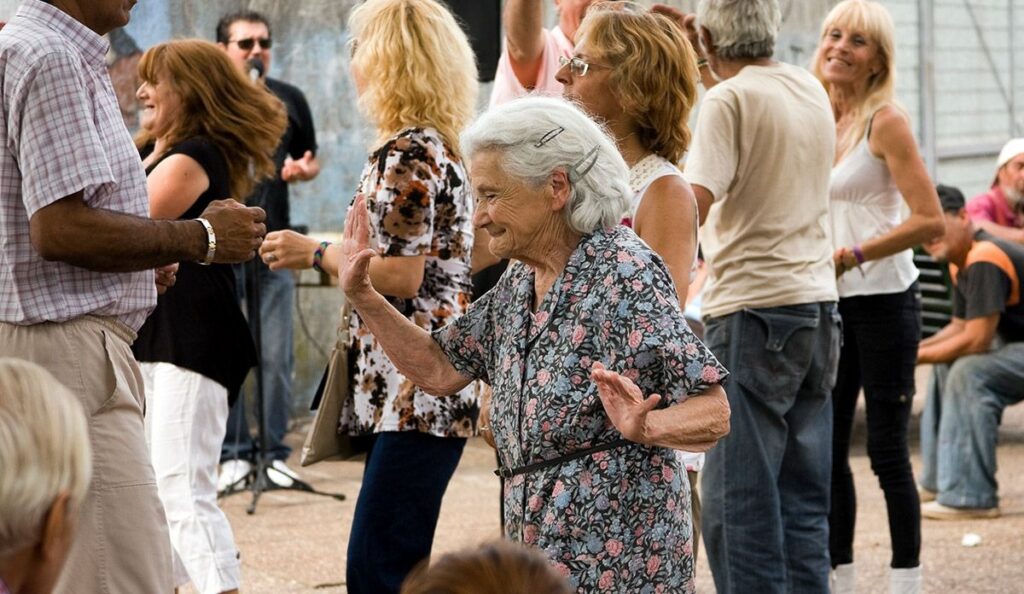
Beyond that, music is greatly therapeutic, especially for the elderly. Recent studies report that music could help the communication and long term memory in patients with Alzheimer’s. Listening to different songs can help with self respect and connection in this online world by reducing anxiety and stress or stimulating motor skills. Dancing is a natural response to good music and is an amazing way to socialize and exercise.
Project Aim
With our main scope established and related issues understood, now we must define what we aim to do with this project. We aim to make confusing technologies, applications and tools easier to be used by older people. Those technologies, since they must be related to their day-to-day and how they make their daily happiness, are music listening related.
Our final goal is to facilitate the daily happiness of people using music. Who’s to say that playing your favorite tunes, listening to a new podcast episode, or even learning a new recipe with a youtube video isn’t a daily dose of happiness?
Project Objectives
- Rescue music listening tradition: The older generation was used to radio and vinyl discs, meaning they are accustomed to an analog form of consuming music. With television and smartphones, most of them couldn’t keep up with the speed of technological advances. Therefore, the habit of playing a song whenever they wanted — either by putting on their regular radio station or their newest vinyl — was lost due to lack of technical know-how.
- Ergonomics: the ease of use is in its own way a form of ergonomics. The more they don’t understand the newer devices the worse they feel about trying new things. We want to make them comfortable with playing their tunes whenever they would like once more.
- Independence and Confidence: Sometimes age brings some limitations. A few elderly people lose mobility, others, speech abilities. Those things can bring someone down, especially if they were very active during their youth. To alleviate a limitation — a technological one — is to give confidence back to them, bringing a bit more joy to their days.
Users
Our main user base is composed of elderly people older than 75. Usually these people have more difficulty using newer devices like smartphones and are used to more established technology, like television, radio and, in some cases, computers.
Delivery and Presentation
For the project, the first step should be dedicated to research about elderly people having difficulties with technology and if they listen/would like to listen to music on their day-to-day.
As for the resources available, we have a very limited budget, so if you opt for a physical solution, please try to make it low cost (although we can get very creative when it comes to building it). However, we do have the means for developing many kinds of digital prototypes, be it UX/UI related, posters, flyers, or all kinds of graphic material! Please keep that in mind when working on your project.
Hi everyone, Zehra from Team 11.
Your briefing clearly shows how meaningful music is for your users and how technology has created an unexpected barrier for them. I like how you grounded the project in real stories and connected it to cultural and emotional value. The aim and objectives feel strong and user-centered, and the low-budget, accessible direction is very well aligned with the needs of elderly users. Excited to see where you take this.