
Crowd Background
User Grandma Wang belongs to the group of elderly residents in urban villages.
Most elderly residents in the village follow the custom of burning joss paper.
Population Structure and Living Environment
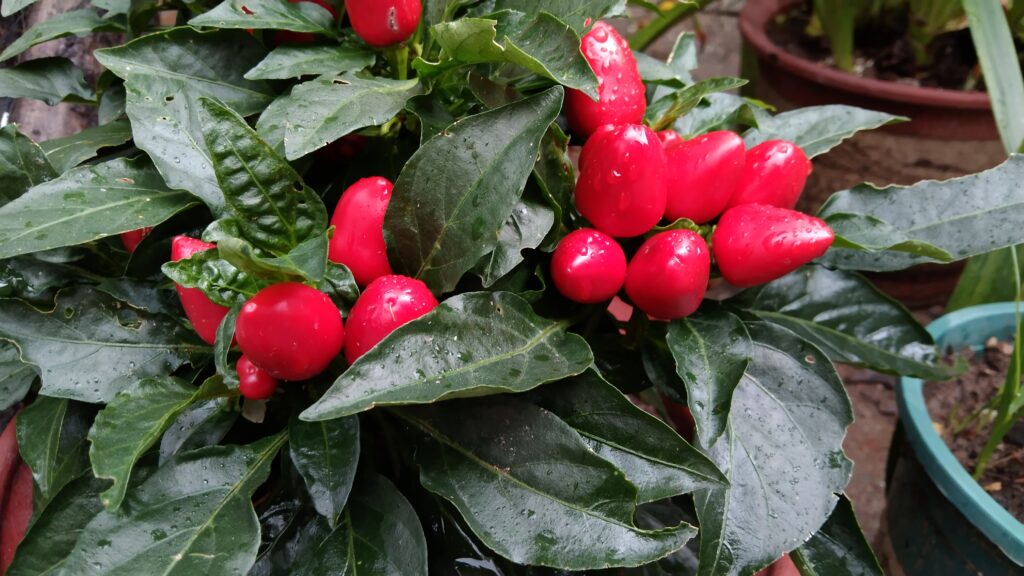
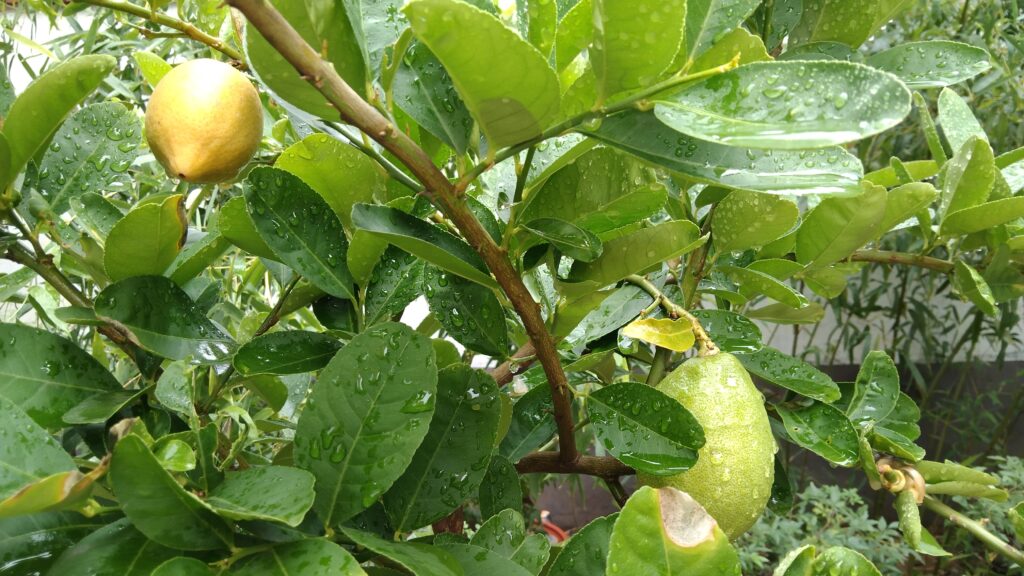
Grandma Wang lives with her husband in a bungalow with a yard. There is a small vegetable plot in the yard where some vegetables are grown, many potted plants are placed, and a small clump of bamboo is in the corner (they collect the withered bamboo poles). There are several newly transplanted small trees and an old apricot tree — it has been in the yard since I can remember.
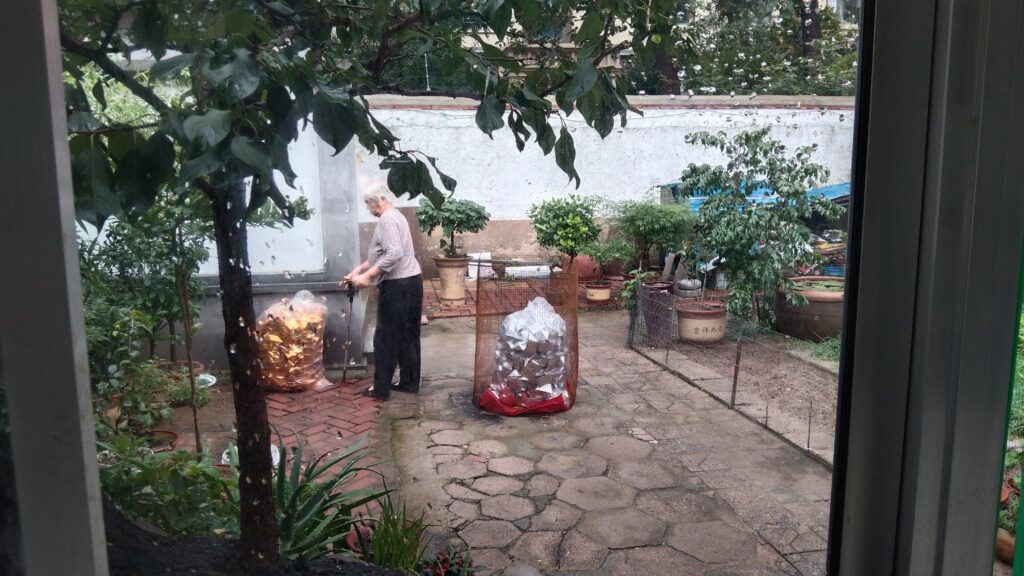
- Grandma Wang usually burns joss paper on the stone-paved path in the yard.All the processes were completed by herself.The environment is relatively open with no flammable debris on both sides, and it is not suitable for electricity connection.
Economic Status and Income Sources
The source of my grandparents’ income is my grandfather’s pension. Their means of transportation is an electric tricycle. My grandfather often drives it to take my grandmother out, and they are used to going to the town’s market to buy daily necessities.
Consumption Preferences
Although they are financially comfortable, my grandparents still maintain a relatively frugal lifestyle and dislike extravagance and waste.
Function-oriented consumption logic
For the elderly in urban villages, practicality is the primary consideration when choosing paper-burning containers, which is specifically reflected in their clear requirements for aspects such as function, material and capacity.
- The elderly pay more attention to the functionality and practicality of products rather than fashion and trends. When choosing paper-burning containers, they require the products to meet the basic paper-burning function, and at the same time, may have safety functions such as wind resistance, preventing flame from escaping, high temperature resistance and easy cleaning.
- The elderly focus on practicality in their consumption behavior and tend to choose practical and durable products. When it comes to paper-burning containers, they prefer those made of strong, durable and high-temperature-resistant materials that are not easy to deform. Meanwhile, the elderly also pay attention to the ease of cleaning of the materials and favor materials with smooth surfaces that are not easy to accumulate dust.
- Considering the small living space in urban villages, the elderly have a “sufficient is enough” characteristic in their demand for the capacity of paper-burning containers. They not only need the containers to hold a certain amount of paper money but also do not want the containers to be too large to occupy precious living space.
- The container currently used by Grandma Wang is a frame enclosed with discarded wire mesh, without a bottom. It can meet the basic capacity requirement and allows her to add paper money without bending down.(Please refer to Images 2.3)
Cost-effective consumption decision-making
The elderly in urban villages are highly price-sensitive, forming a consumption decision-making model of “price first and cost-effectiveness as the priority”.
- According to market research, their acceptable price range for paper-burning containers is mainly between 30 and 80 yuan(€3.64-9.70), and the acceptance of products priced over 100 yuan(€12.13) is extremely low.
- They believe that fancy extra functions are useless. They would rather choose a basic model that costs 60 yuan(€7.27) and can be used for 3 years than a 100 yuan(€12.13) product with unnecessary functions.
- The elderly in urban villages generally uphold the traditional virtue of frugality. They are careful with money in consumption and strive to get good value for their money. They resist accessories that require subsequent payment, such as “replaceable filter layers”, and prefer designs that are “a one-time investment and usable for a lifetime”.
Living habits
Daily activities
The elderly in urban villages have relatively small social circles, which mainly consist of family members, neighbors and relatives. Their social activities are mostly confined within the urban villages, with relatively limited communication with the outside world. Their purchasing decisions are highly social and easily influenced by neighbors’ recommendations and acquaintances’ introductions. When choosing paper-burning containers, they tend to trust products that “neighbors find useful” and are willing to listen to acquaintances’ usage experiences.
- Grandma Wang has very few ways to entertain herself. Most days, she takes a small folding stool to the village intersection, which is a social spot for the elderly grandmothers in the village. They bring their own stools and sit together chatting about daily family matters. In the evening, she usually watches TV for a while before going to bed.
Aesthetic inclinations
- The elderly in urban villages prefer traditional and solemn colors, mainly including red, dark brown, black, dark blue, etc. Red implies “auspiciousness”, while dark colors are stain-resistant, which is in line with the characteristics of the urban village environment.
- The elderly tend to choose products with simple appearances and smooth lines, avoiding overly complicated designs. When it comes to the shape of paper-burning containers, they believe that “a regular shape conforms to the solemnity of sacrificial rituals”.
- The elderly have a preference for ethnic cultural elements such as Chinese knots and the “Fu” (fortune) character, which can arouse their emotional resonance. Traditional patterns include cloud patterns, lotus patterns, bat patterns, etc. These traditional elements can be properly integrated into the design, but attention should be paid to maintaining simplicity.
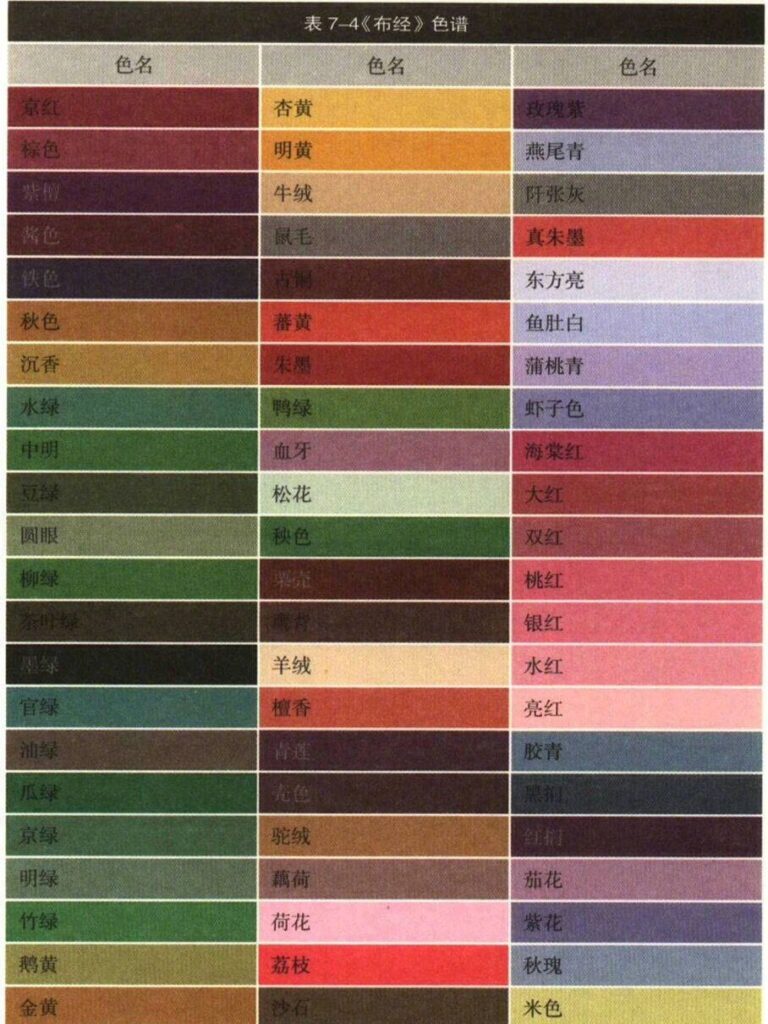
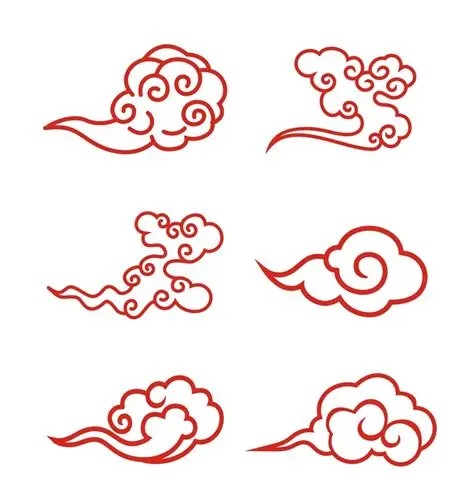
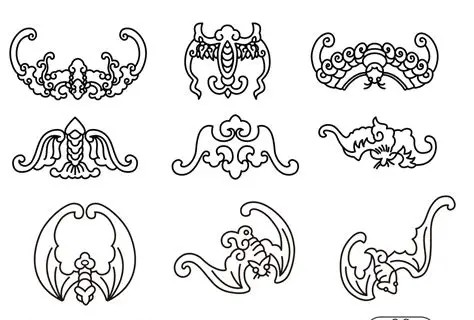
More information about Chinese traditional color – matching and patterns can be collected from the Internet.