
Hey guys!
You mentioned you were curious about our culture, so we put together a short text that explains a bit more about Turkish family meals and daily rituals.
It’s all about how we see togetherness, hospitality, and the atmosphere around food ; things that inspired our project and design choices.
Hope you enjoy getting to know a bit more about us! 😊
Cultural Background – Understanding the Turkish Mealtime Ritual
As Turkish clients, we want to share some cultural background that explains why family meals hold such a special place in our lives.
In Türkiye, food is never just food ; it’s a language of care and togetherness. Sitting at the table means slowing down, connecting, and feeling that you belong. The act of preparing and sharing a meal carries deep emotional value; it’s how we show love without words. There’s even a Turkish saying, “Sofra muhabbetin kalbidir,” meaning “The table is the heart of conversation.”
Every weekend or holiday, families gather around long breakfast tables filled with bread, olives, cheese, and tea served in delicate tulip-shaped glasses. These simple rituals bring generations together ; children, parents, and grandparents ; to share stories, laughter, and memories. Even the smallest details matter: the sound of the teapot, the smell of simit, or the clinking of tiny teaspoons.
Hospitality (misafirperverlik) is one of our most cherished values. Guests are always welcomed warmly, and offering food or tea is a natural gesture of kindness. No visit feels complete without sharing something at the table. For grandparents, hosting these gatherings isn’t just tradition ; it’s their way of giving, caring, and staying connected to the heart of the family.
This sense of unity becomes even stronger during Bayram, our festive holiday. It’s a time when families reunite, children kiss their elders’ hands, and every home smells of freshly cooked sweets like baklava and lokum. People visit each other to share meals and blessings, filling the day with laughter, conversation, and warmth. Bayram reminds everyone – young and old – that being together is the greatest celebration of all.
That’s why our project centers on enabling grandparents to keep this role with pride. It’s not just about preventing spills ; it’s about preserving dignity, connection, and the joy of being together. We hope the design captures this emotional essence: warmth, respect, and the quiet happiness of sharing a meal with the people you love.
Cultural Aesthetics & Visual Inspiration
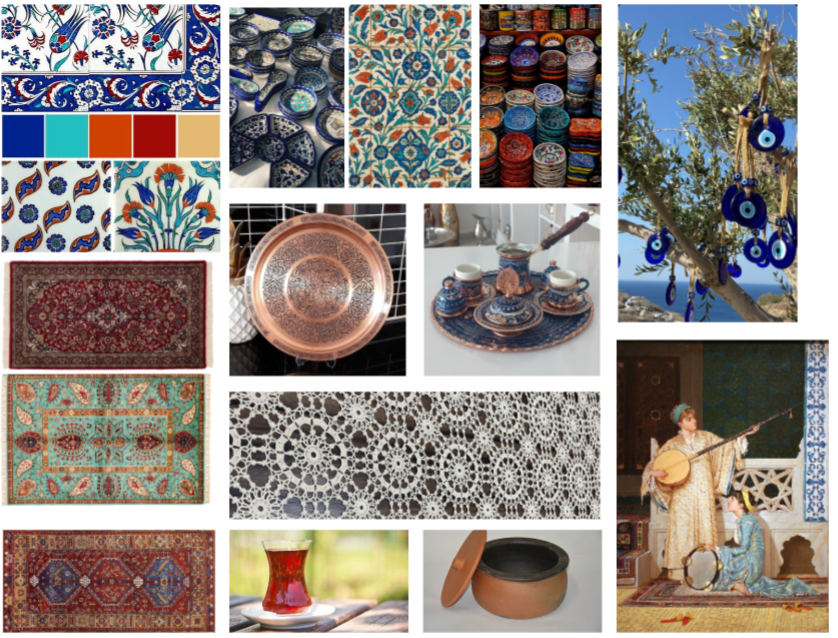
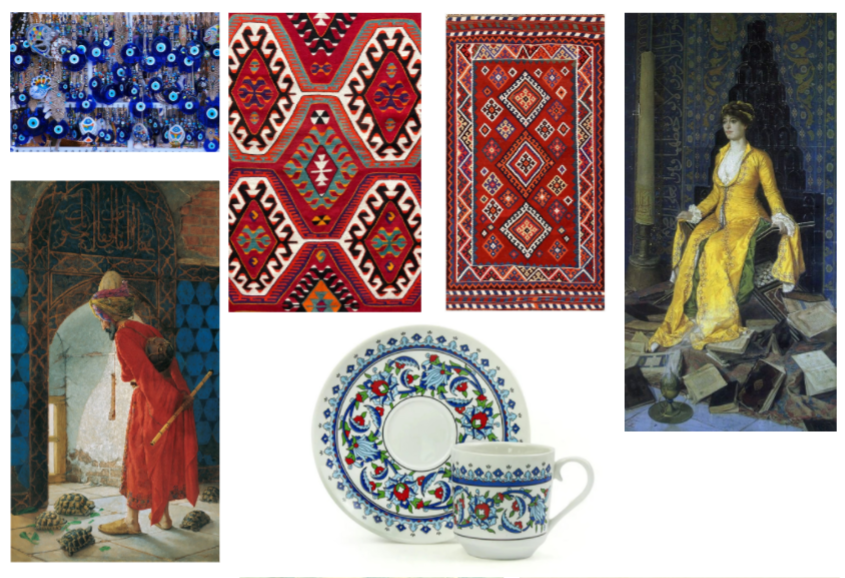
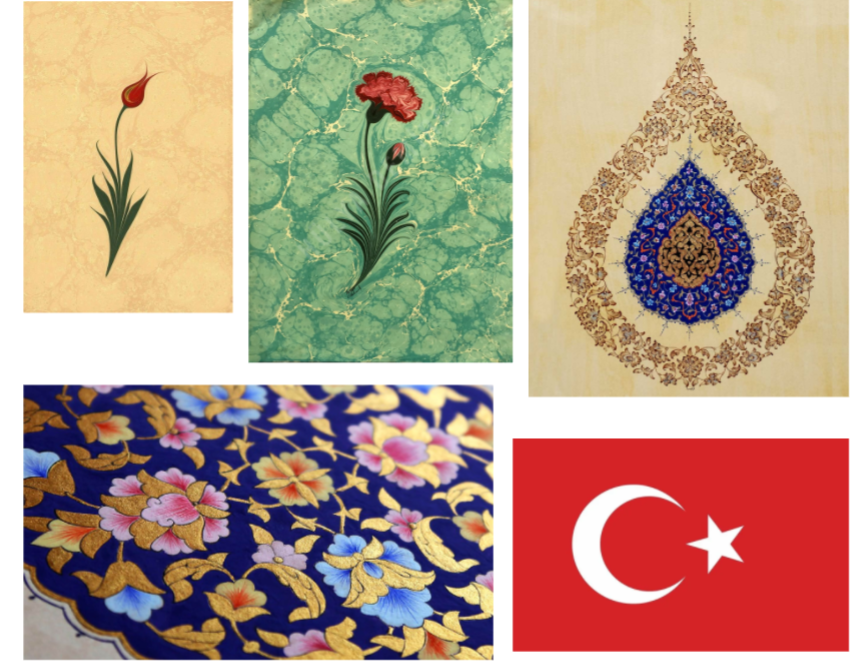
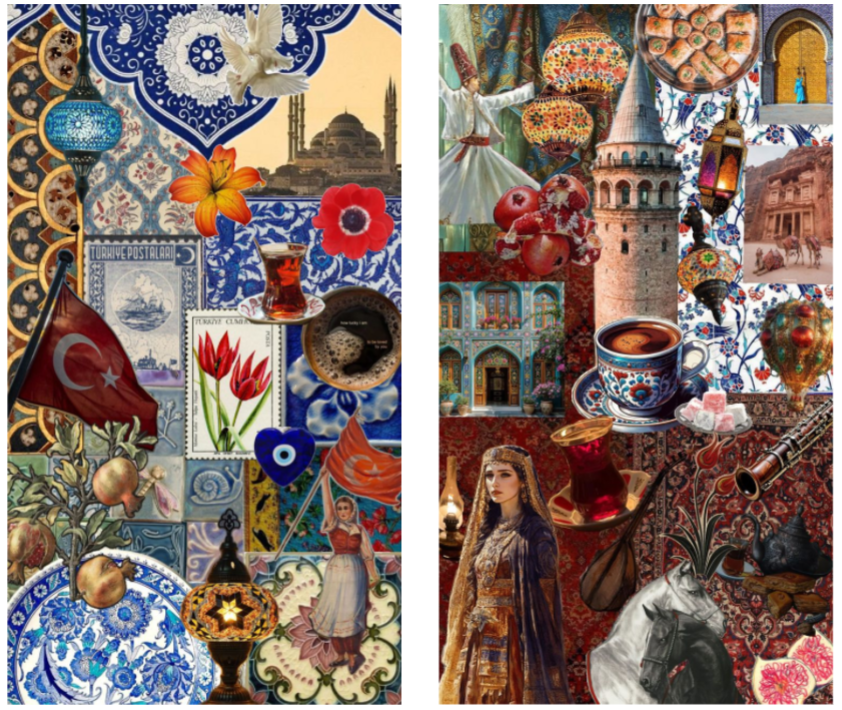
The visual and material identity of Turkish homes ,especially those of grandparents , carries a warmth shaped by handcrafted details, traditional materials, and timeless rituals. The objects in this collage are more than decoration; they express a lifestyle built around care, hospitality, and shared time.
Ceramics and İznik-style tiles bring deep blues, turquoise, and brick reds to the dining space, reflecting the legacy of Anatolian artistry. Their floral and geometric patterns often appear on plates, bowls, or trays, turning everyday meals into small celebrations of beauty and tradition.
Alongside them, copper trays and glass tea sets are central to Turkish dining culture , shining symbols of generosity and togetherness. Porous clay pots and terracotta dishes evoke the earthy roots of rural cooking, while handwoven carpets and lace tablecloths soften the space with warmth and familiarity. Each texture ,whether the cool touch of glass, the aged glow of copper, or the delicate weave of lace , carries the memory of home.
These materials often fill the houses of our grandparents, forming a harmonious environment where the visual and the emotional blend seamlessly. The combination of ceramic, copper, fabric, glass, and clay embodies the Turkish idea that beauty and care belong in everyday life ; not only for display, but for sharing.
Together, they create a cultural mosaic of comfort and belonging: a tactile reflection of the Turkish spirit, where design, memory, and togetherness exist side by side.
Great information! Even I learned something new as a 37-year-old Turkish person. 🙂