The ‘Two Generations, One Flavor’ Customized Recipe Notebook embodies a core philosophy: One notebook, two culinary worlds. It preserves the essence of traditional flavors while embracing modern healthy living, allowing the family’s taste memories to evolve through inheritance and sustain through innovation.
1.Aesthetic and Visual Design
Theme: The Dual Encounter of Sunlit Naples and Fresh Modern Style.
Cover design: Format: Double-sided cover design, both sides can be used as the front.
Front “Traditional Naples” panel: The main visual features a hand-drawn depiction of Mount Vesuvius, the azure Mediterranean coastline, and vibrant lemon and basil leaves.
Color: Cobalt blue, warm yellow, clay red and olive green, full of southern passion and retro.
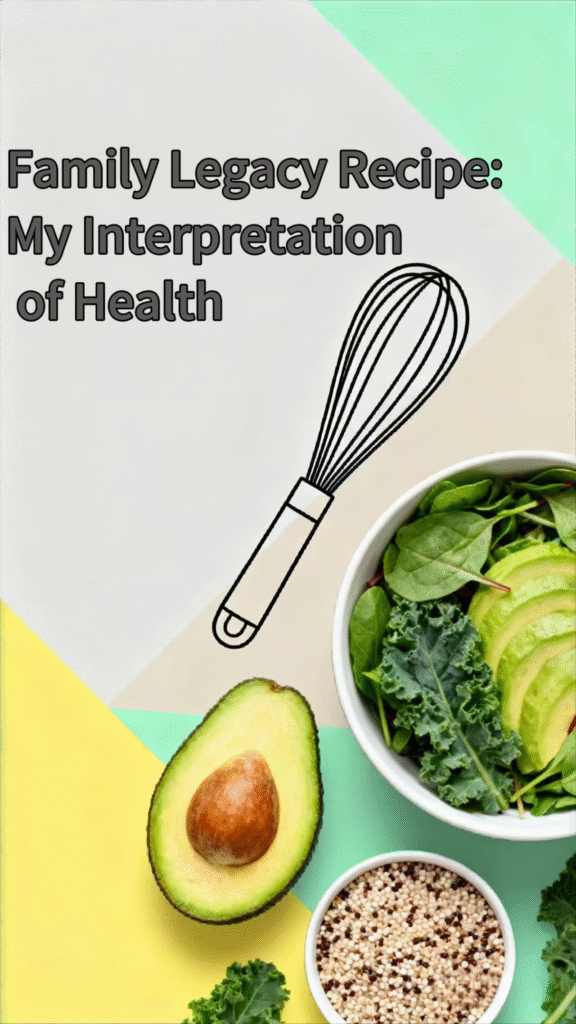
Title: “Hereditary Recipe: Taste in Memory” Back Cover “Modern Light Food” Front Cover: Minimalist kitchen utensils (e.g. whisk, salad bowl), fresh superfoods (e.g. avocado, quinoa, kale), geometric color blocks.
Color: Light grey, mint green, oat and lemon yellow are the main colors, which are fresh, clean and modern.
Title: “My Health Interpretation: The Secret Recipe of My Family” Book spine: Two titles are printed side by side on the book spine, so that they can be clearly identified from any angle of the bookshelf.
Interior design: Consistent style: The overall design features a warm, minimalist aesthetic with ample white space, complemented by subtle decorative elements (such as traditional-style borders with vintage patterns on the front and geometric accents on the back).
Font: Use clear handwriting for headings and easy-to-read printed text for body.
2.Content and Structure
The core record book of “Two Generations, One Flavor” will be clearly divided into two sections, each using a pre-designed structured template to guide users in systematic recording rather than blank pages. This significantly lowers the barrier to recording and ensures information completeness.
Part One: Traditional Neapolitan Recipes.
This section aims to authentically preserve the family’s heritage and emotional bonds.
The page template includes:
①Recipe name: for example, “Grandma’s Classic Tomato and Meat Sauce”.
②The Story Behind This Dish: (Allow ample space for writing) Prompt: “Who’s signature dish? Share any memorable family gatherings or anecdotes about it.”
③Ingredients List: Structured table with “Ingredients”, “Quantity”, and “Notes”. Note: “Traditional terms like’ just enough ‘or’ a little ‘are welcome – they’re part of the recipe’s secret.”
④Step-by-Step Guide: Leave numbered blank lines for text.
A dashed box appears next to each step, indicating “You can paste a step photo or hand-drawn diagram here.”
⑤Grandma’s secret tip: A bold cloud or light bulb icon to mark key techniques, like “Cross the tomato base, blanch the skin in boiling water for a purer flavor.”
⑥Reviewer’s note: Design as a small card with “Name”, “Date”, and “Feedback”.
Part 2: Modern Health Interpretation
This section encourages the younger generation to innovate while building upon the legacy.
The page template includes:
①Innovative recipe names: for example, “Light Burden Chicken Breast Parmesan”.
②Inspiration Source: “What traditional dish inspired this recipe? What aspects would you like to improve? “
③Ingredients List: A structured table with an added “Health Notes” column to document the rationale for ingredient choices.
④Nutritional Focus (Optional): A small section where you can roughly record the calories, protein, and carbohydrates per serving (not mandatory, for users who wish to include this information).
⑤Step-by-step illustration of the innovation process: Write out the steps in sequence while reserving space for the sticker.
Emphasize different cooking techniques, such as “baking instead of frying” and “using Greek yogurt instead of cream”.
⑥My personal takeaways: Document the success strategies or failure lessons learned during the improvement process.
⑦Taster comments: Specifically guide tasters to comment on the contrast between the new and old versions and the healthy taste.
3. Physical Specifications & Implementation Dimensions:
Recommended Size: A5 (148mm x 210mm) Rationale: This size strikes the perfect balance between writing space and portability. It’s large enough for comfortable writing and note-taking, yet compact enough to fit easily on kitchen countertops or dining tables.
Paper and Binding: For inner pages, we recommend 100g or 120g beige Dowlin paper. This soft-toned paper is eye-friendly, provides smooth writing, and resists ink bleeding. Its thickness ensures that even light watercolor strokes won’t bleed through the pages.
Cover: An ultra-thick cardstock or soft leather-like cover with a matte film coating, offering a comfortable and durable touch.
Binding: The notebook features a 180-degree lock-stitch binding that keeps it flat when used in the kitchen, freeing up your hands for multitasking.
This redesigned “Two Generations, One Flavor” notebook is more than just a product—it’s a vessel for family bonds and culinary wisdom. Its standout features include:
①A striking dual-sided aesthetic that visually contrasts two distinct dietary philosophies.
②Pre-designed structured templates systematically guide the recording process, reducing operational complexity.
③A5-sized practical dimensions for optimized kitchen usability.
④The juxtaposition of “traditional” and “modern” creates a space for dialogue, encouraging intergenerational communication and innovation.
It will be a unique, growing taste legacy for your family.